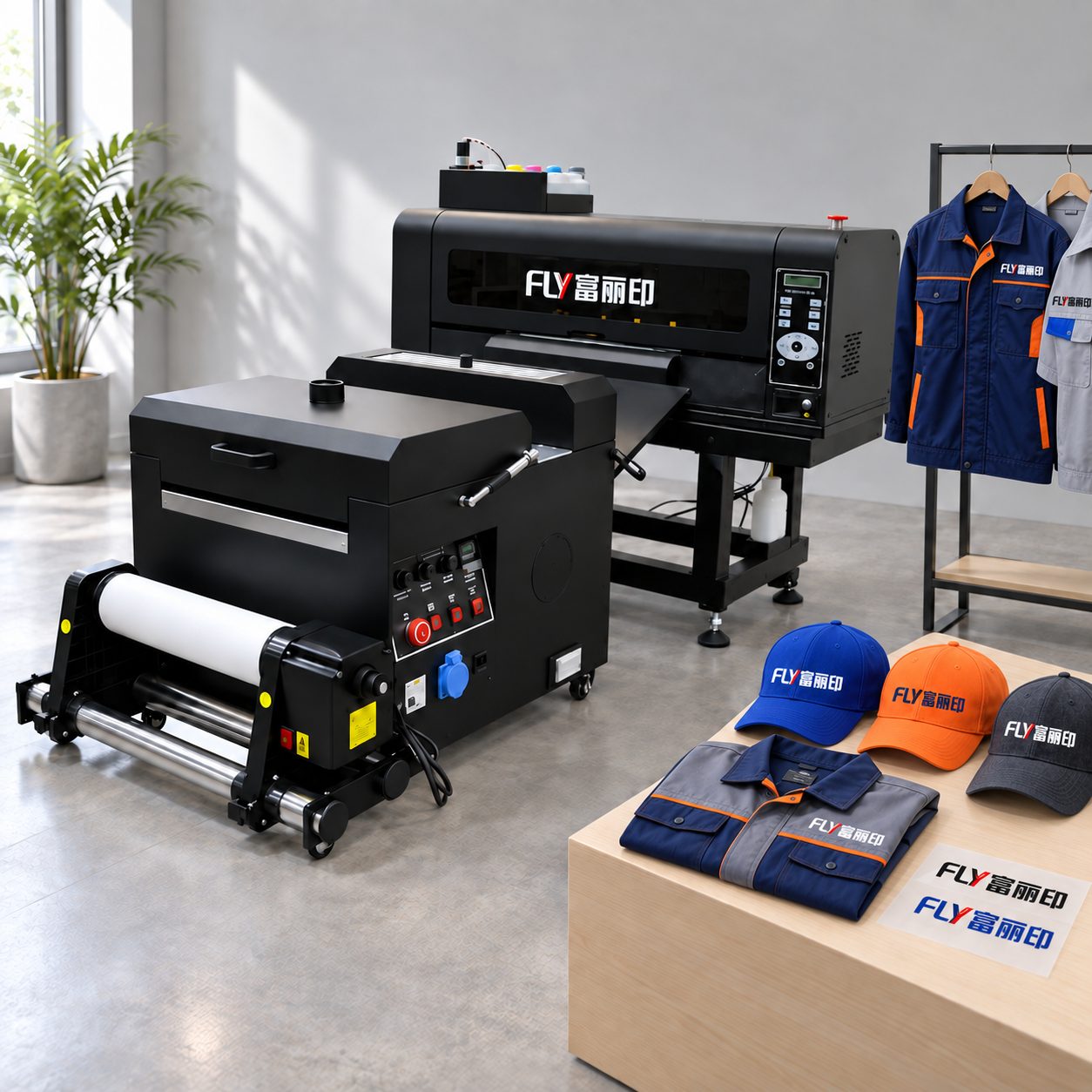
FLY-402DW+FLY-400D A3 DTF Printer for Small Business
A3 (30cm) DTF printer with powder shaker, 2× XP600 heads at 3 m²/h. Compact starter DTF machine for T-shirt shops & home studios. Factory-direct, MOQ 1.
- Garment Customization

A3 (30cm) DTF printer with powder shaker, 2× XP600 heads at 3 m²/h. Compact starter DTF machine for T-shirt shops & home studios. Factory-direct, MOQ 1.
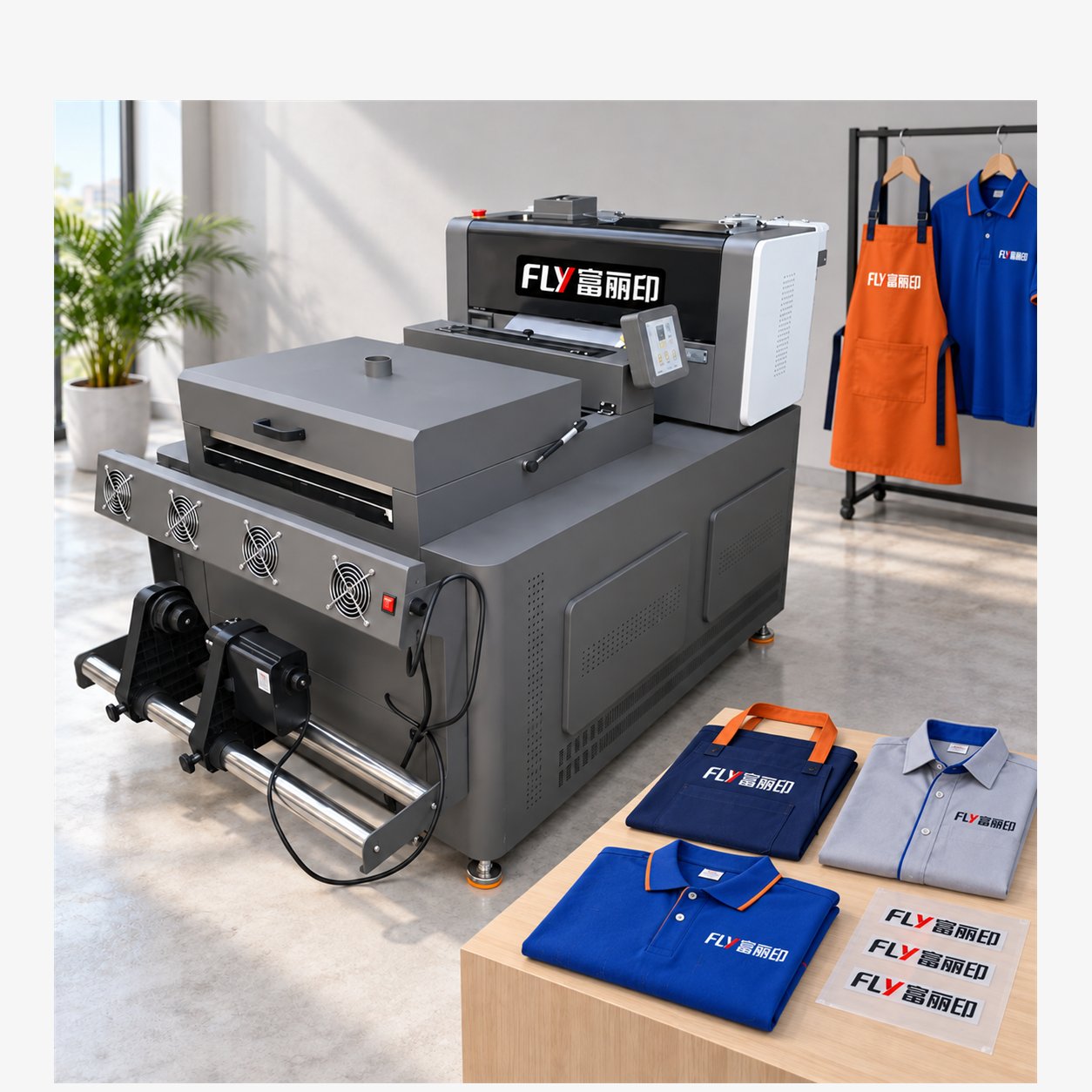
All-in-one 42cm DTF printer with built-in powder shaker. 2× Epson I1600-A1 heads, 5 m²/h — space-saving DTF machine for small workshops. MOQ 1, factory-direct.
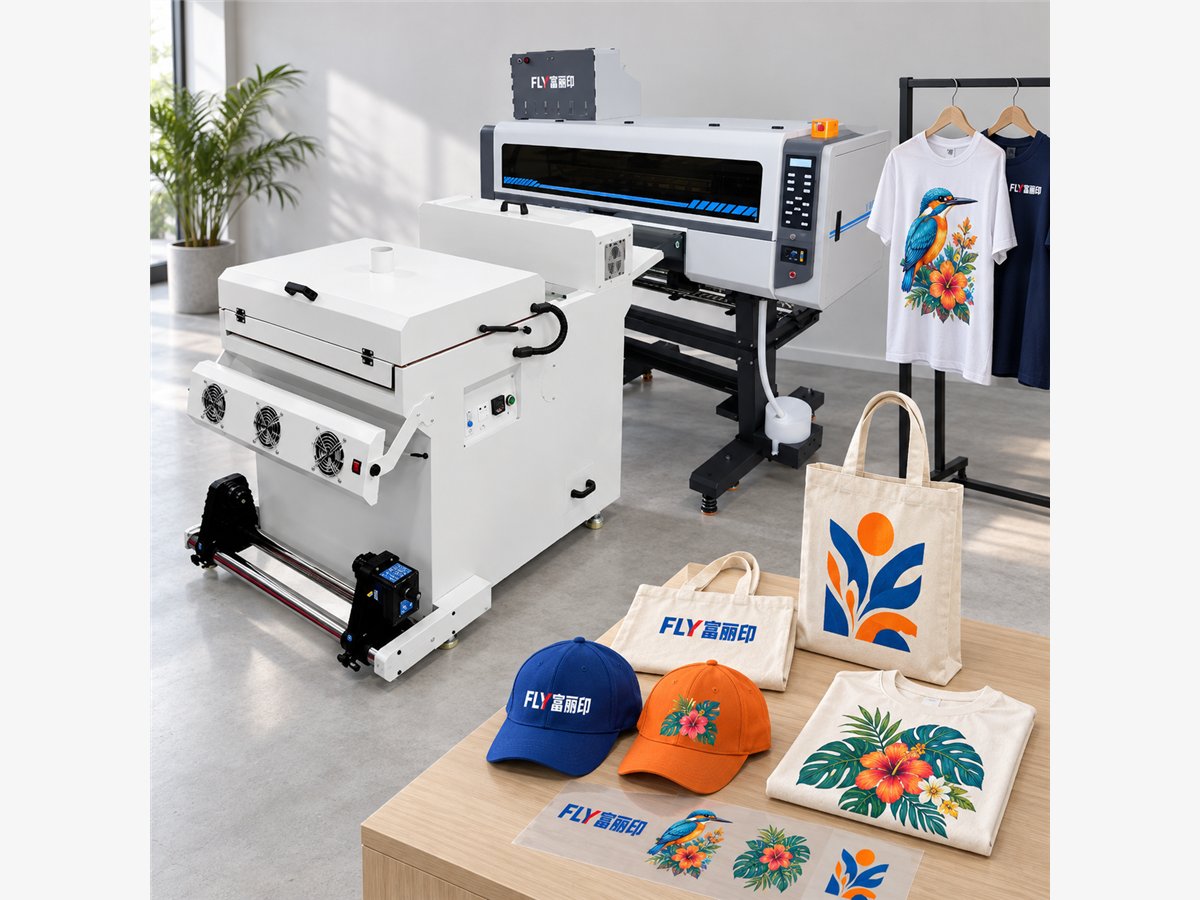
60cm dual-head DTF printer with powder shaker & dryer. 2× Epson I3200-A1 heads, ideal for small businesses & print shops. Factory-direct China manufacturer, MOQ 1.
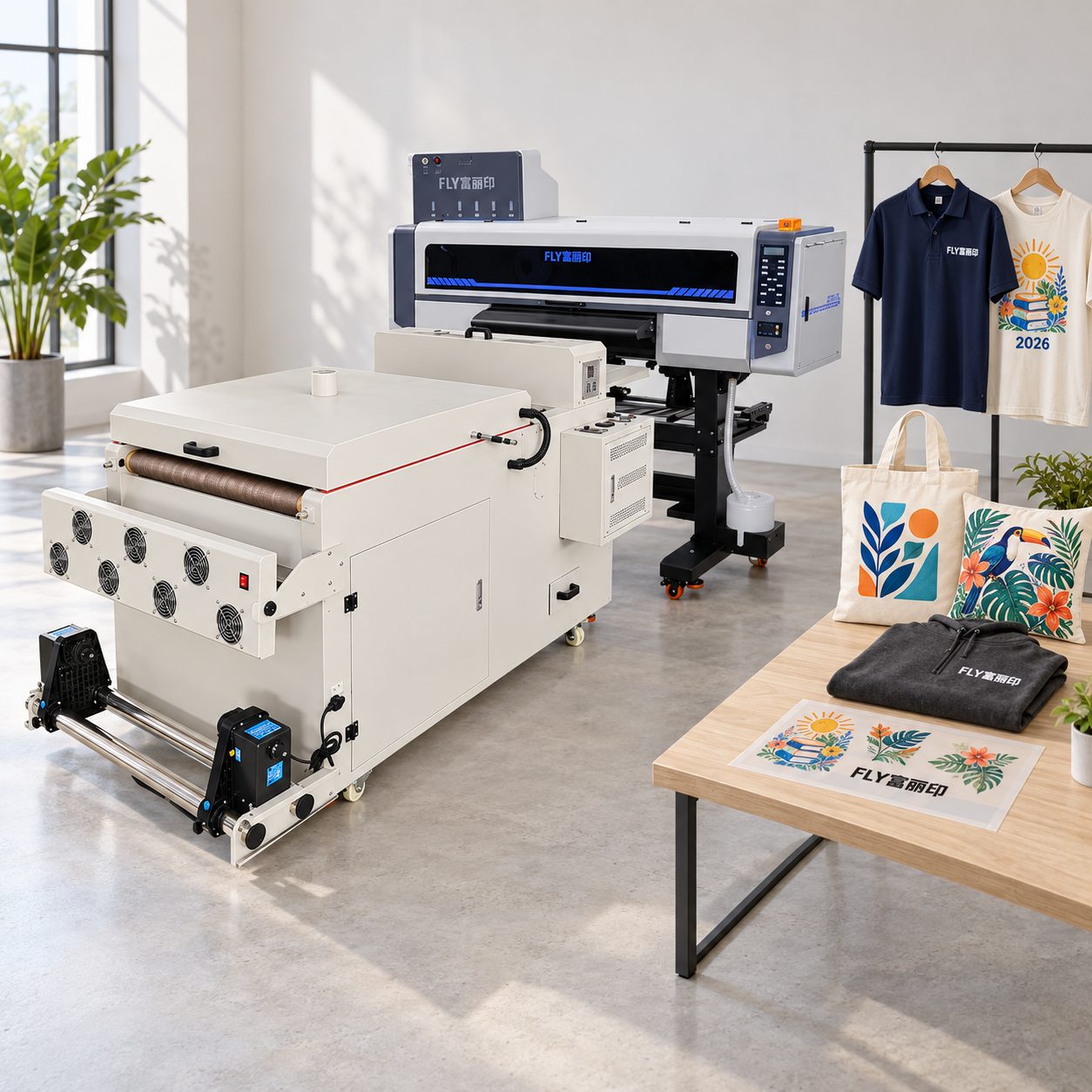
Upgraded 60cm dual-head DTF printer with FLY-6502D belt-adsorption powder shaker. 2× I3200-A1, 7.5 m²/h, 900mm drying tunnel. China factory, MOQ 1.
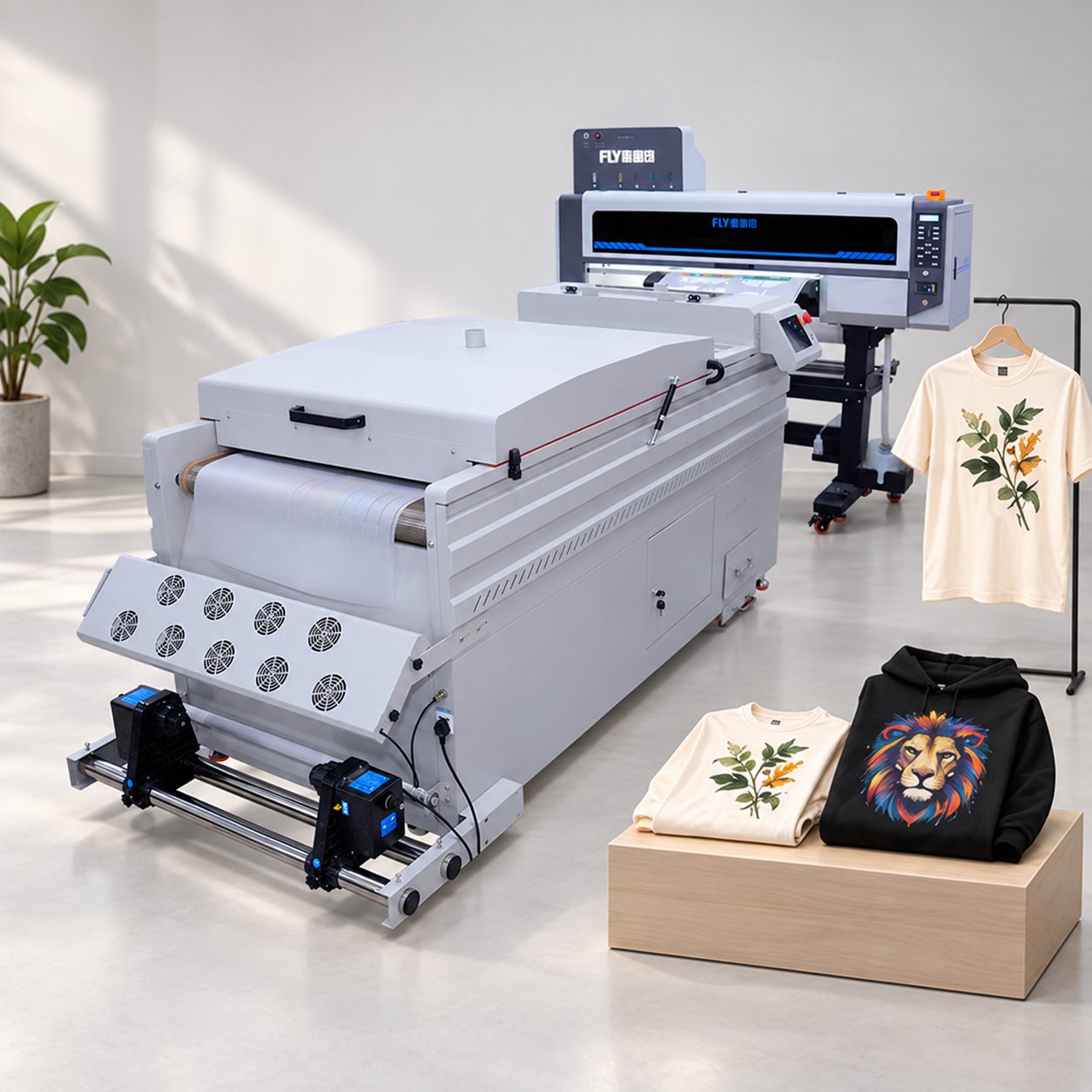
Four-head 60cm DTF printer with FLY-650-C4 powder shaker, 4× I3200-A1 at 15 m²/h. Production DTF machine for print shops & garment factories. MOQ 1.
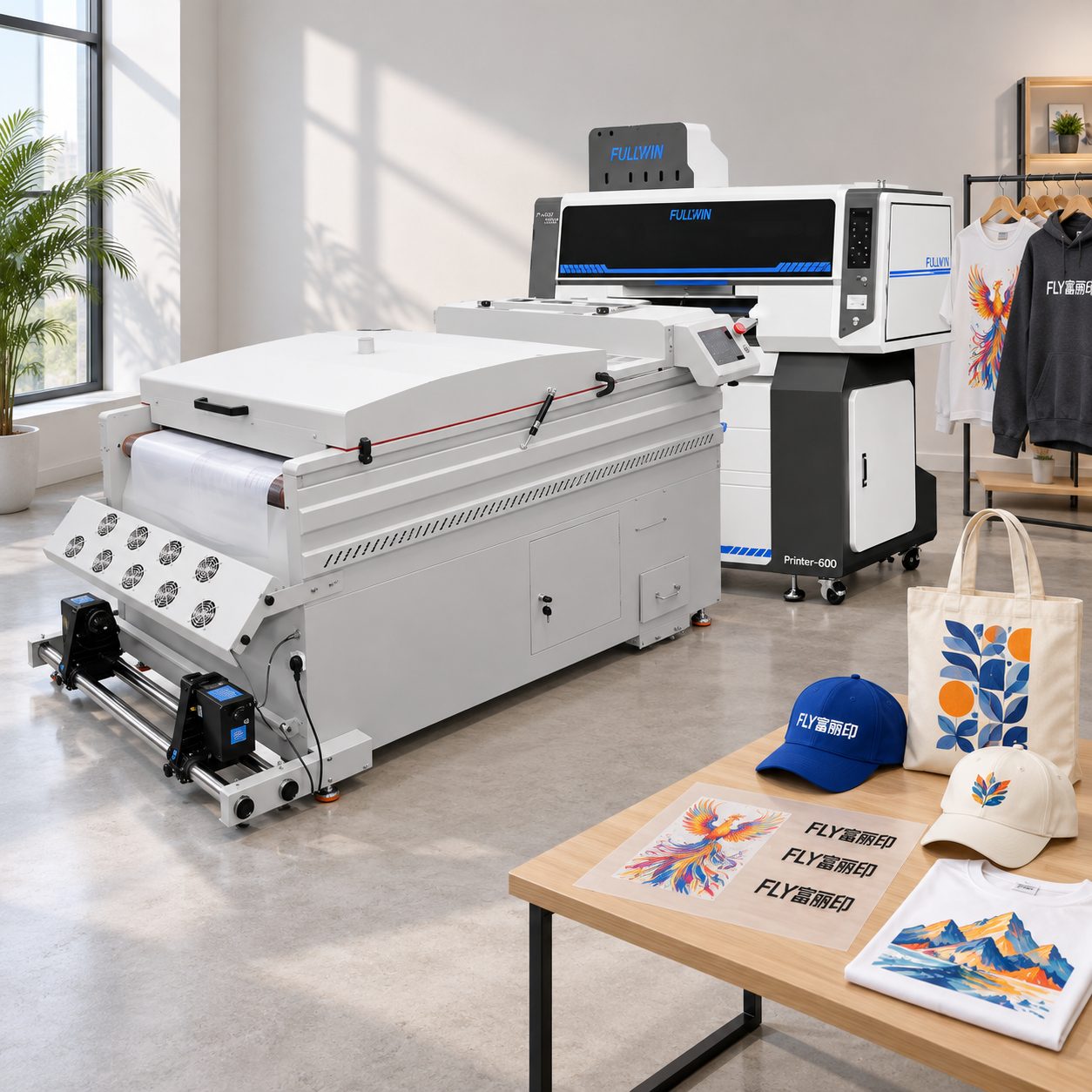
Six-head 60cm DTF printer, 6× Epson I3200-A1 at 25 m²/h. Industrial DTF printing line for bulk transfer production. Factory-direct China manufacturer, MOQ 1.
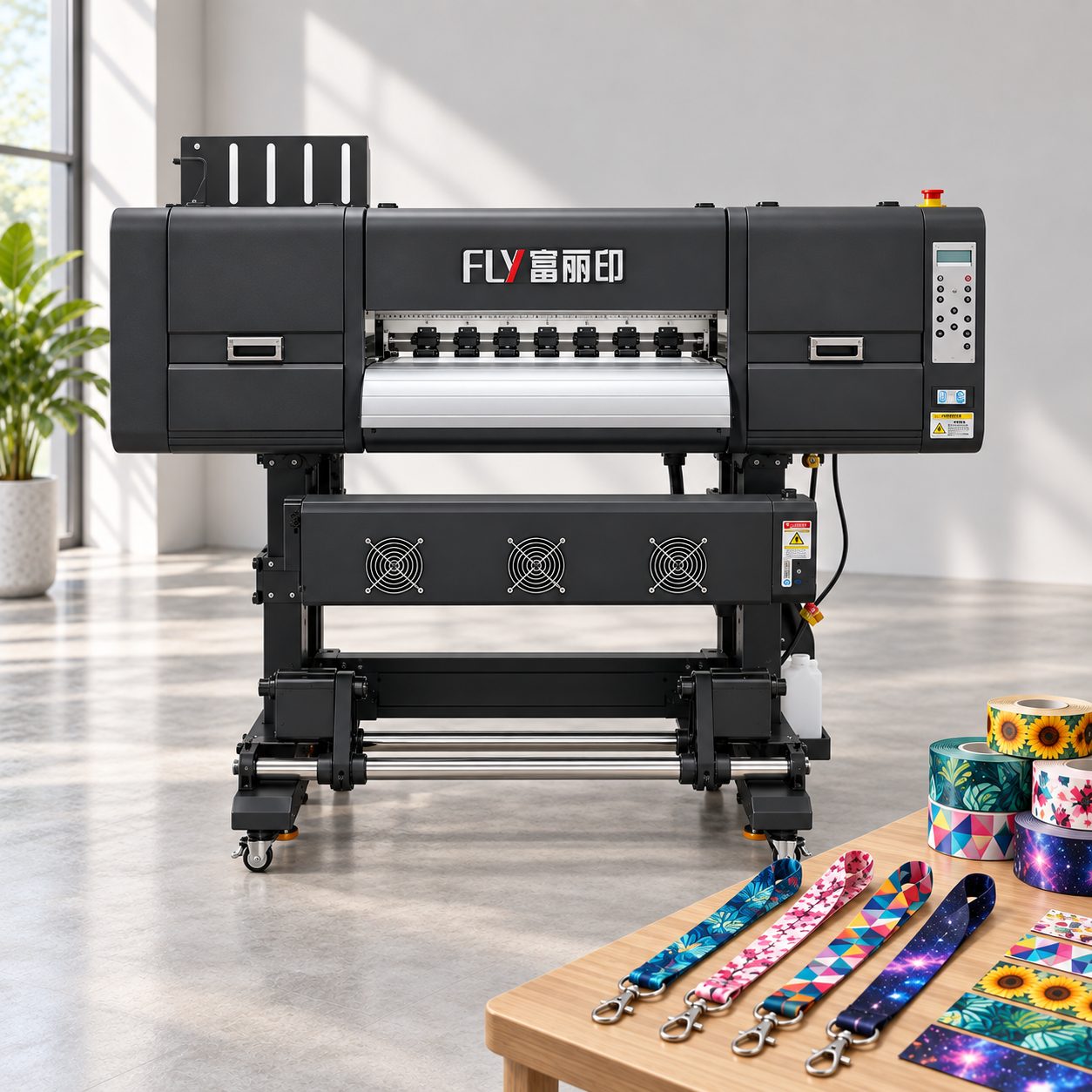
60cm ribbon sublimation printer for medal ribbons, lanyards, elastic bands & pet leashes. 2× Epson I3200-A1, 36 m²/h. Factory-direct, MOQ 1.
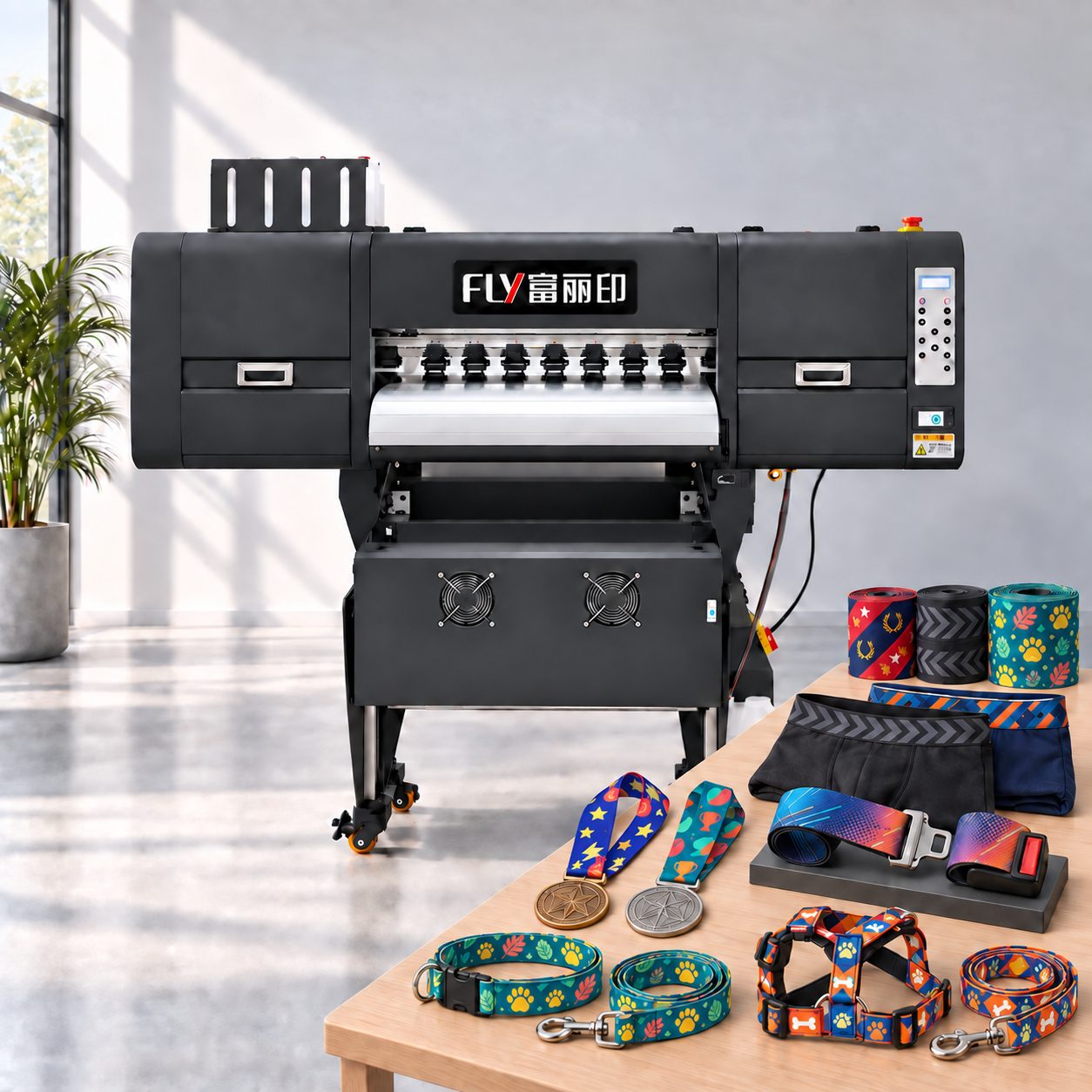
60cm ribbon sublimation printer for medal ribbons, lanyards, elastic bands & pet leashes. 4× Epson I3200-A1, 80 m²/h. Factory-direct, MOQ 1.
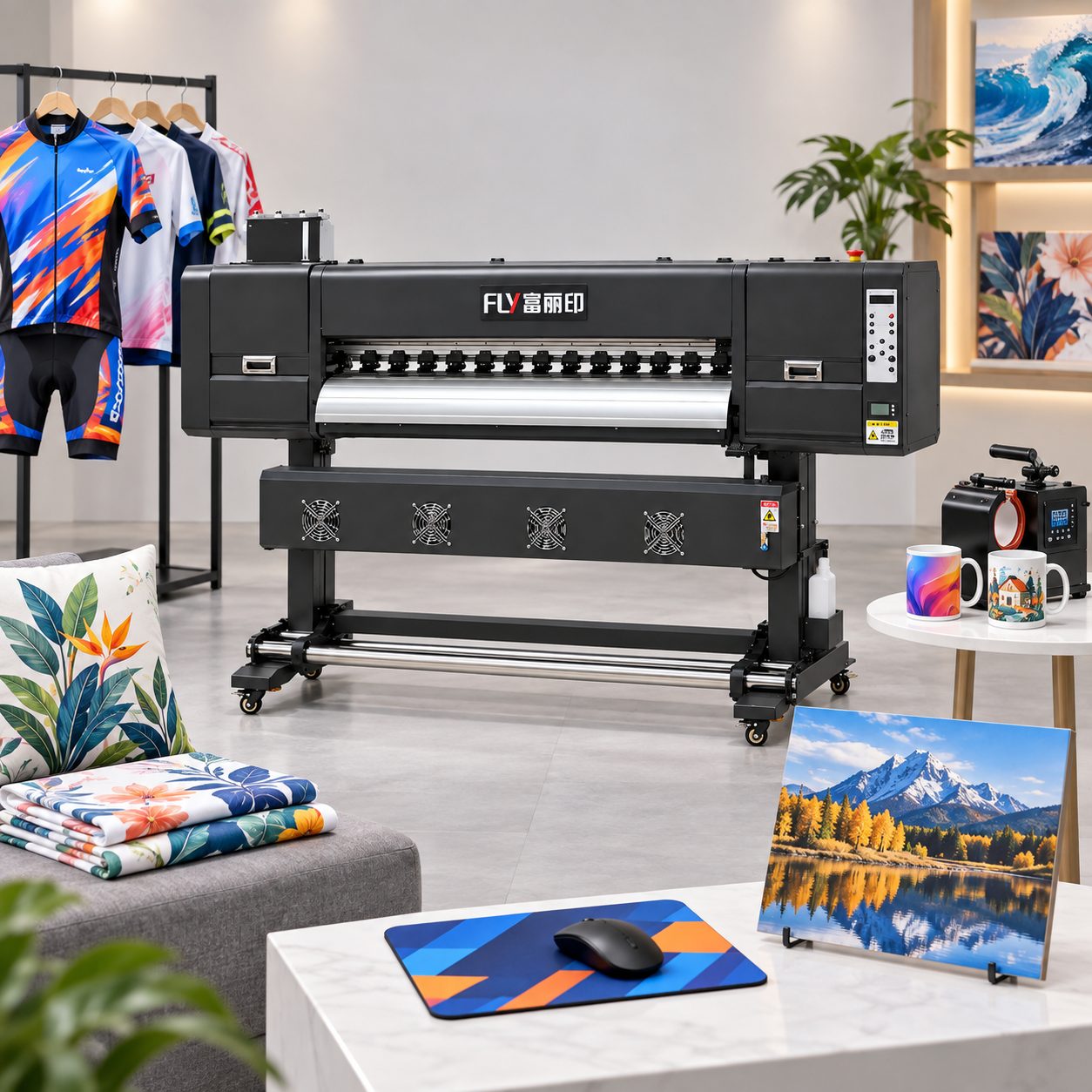
1.3m 2-head sublimation printer, 2× Epson I3200-A1 at 36 m²/h. Compact wide-format sublimation machine for sportswear & jersey printing shops. MOQ 1.
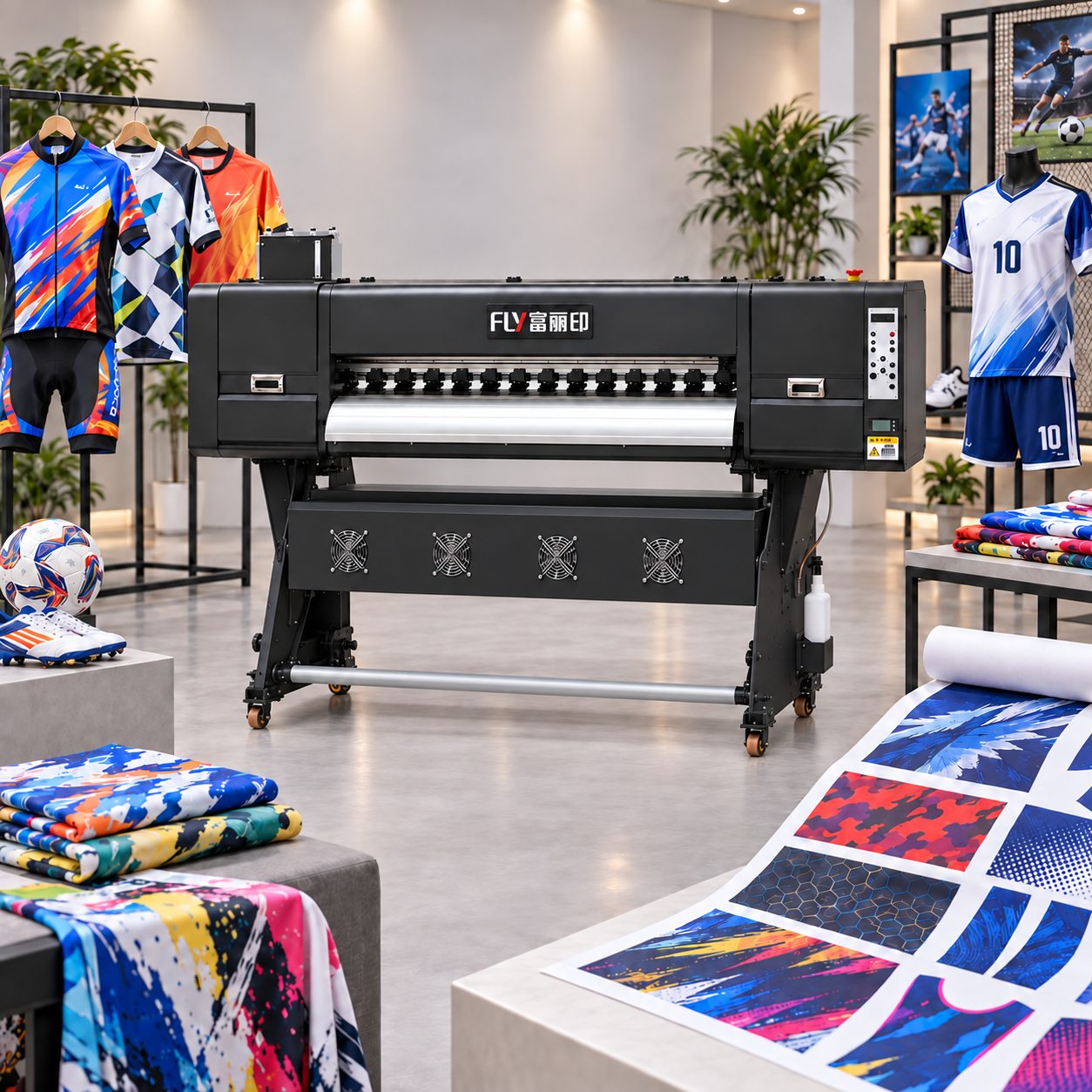
1.3m 4-head sublimation printer, 4× Epson I3200-A1 at 80 m²/h. Compact wide-format sublimation machine for sportswear & jersey printing shops. MOQ 1.
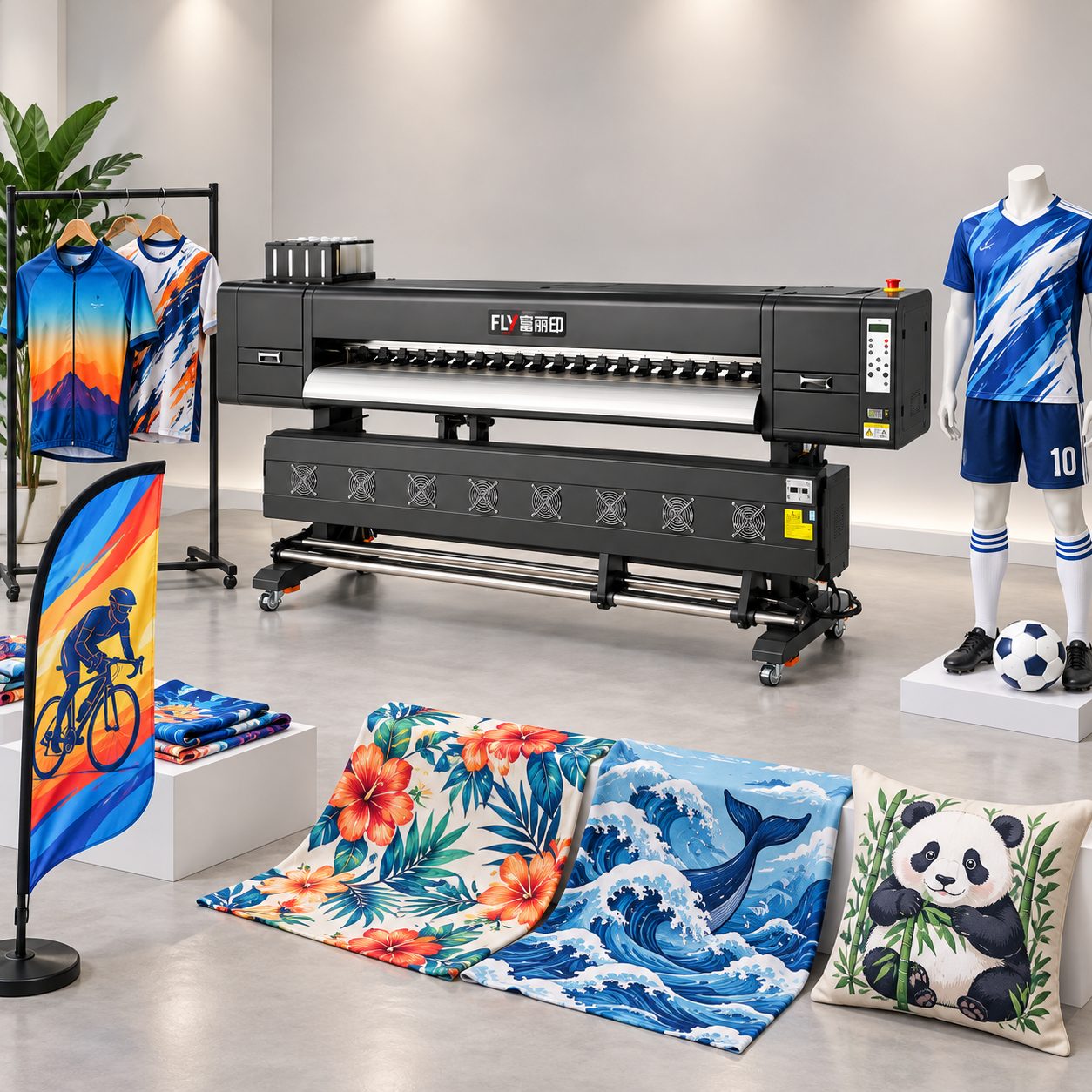
1.8m dual-head sublimation printer, 2× Epson I3200-A1 at 36 m²/h. For sportswear, team jerseys & home textiles printing. Factory-direct China manufacturer, MOQ 1.
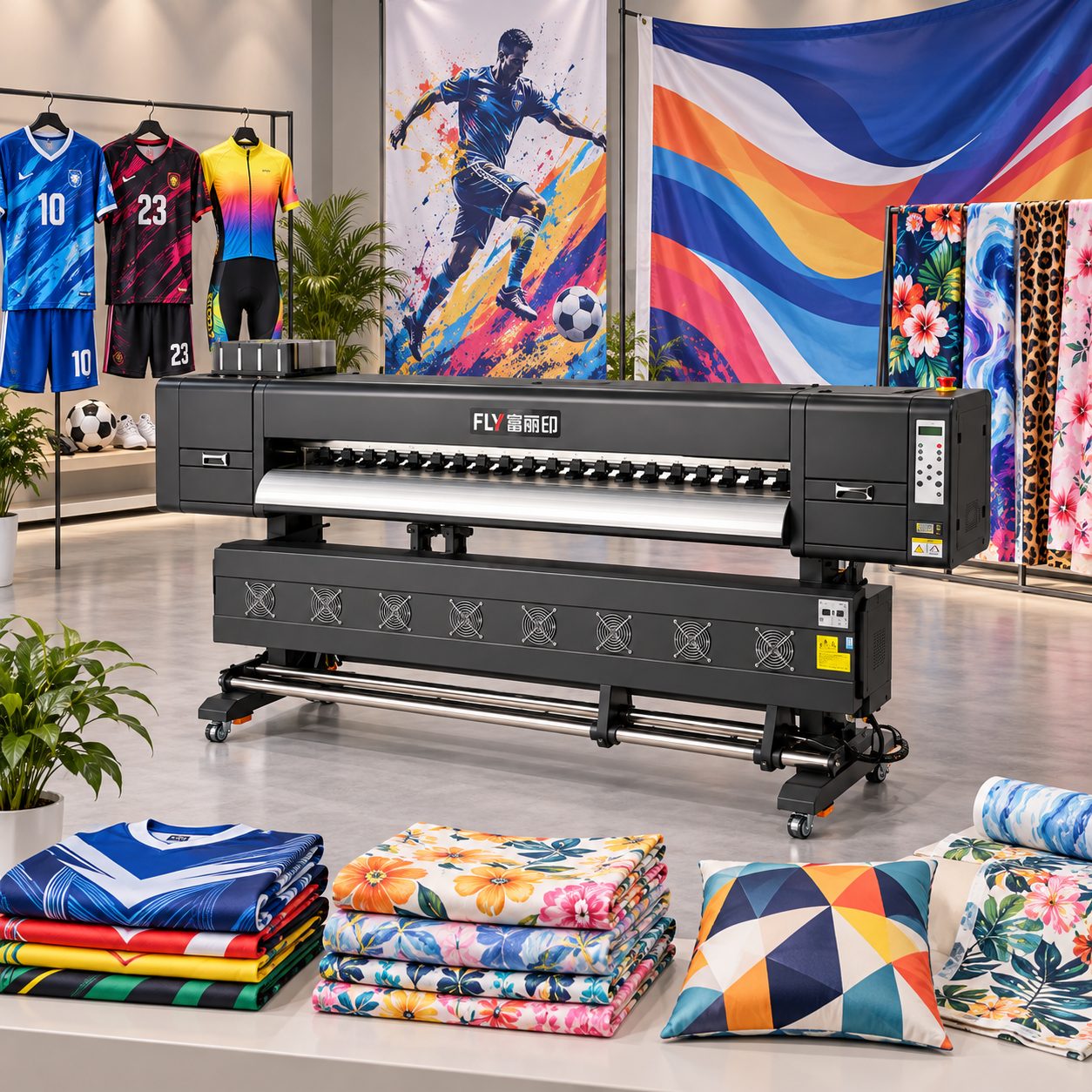
1.8m four-head sublimation printer with 4× Epson I3200-A1, up to 80 m²/h. For sportswear, jerseys, home textiles & advertising fabrics. Factory-direct China, MOQ 1.
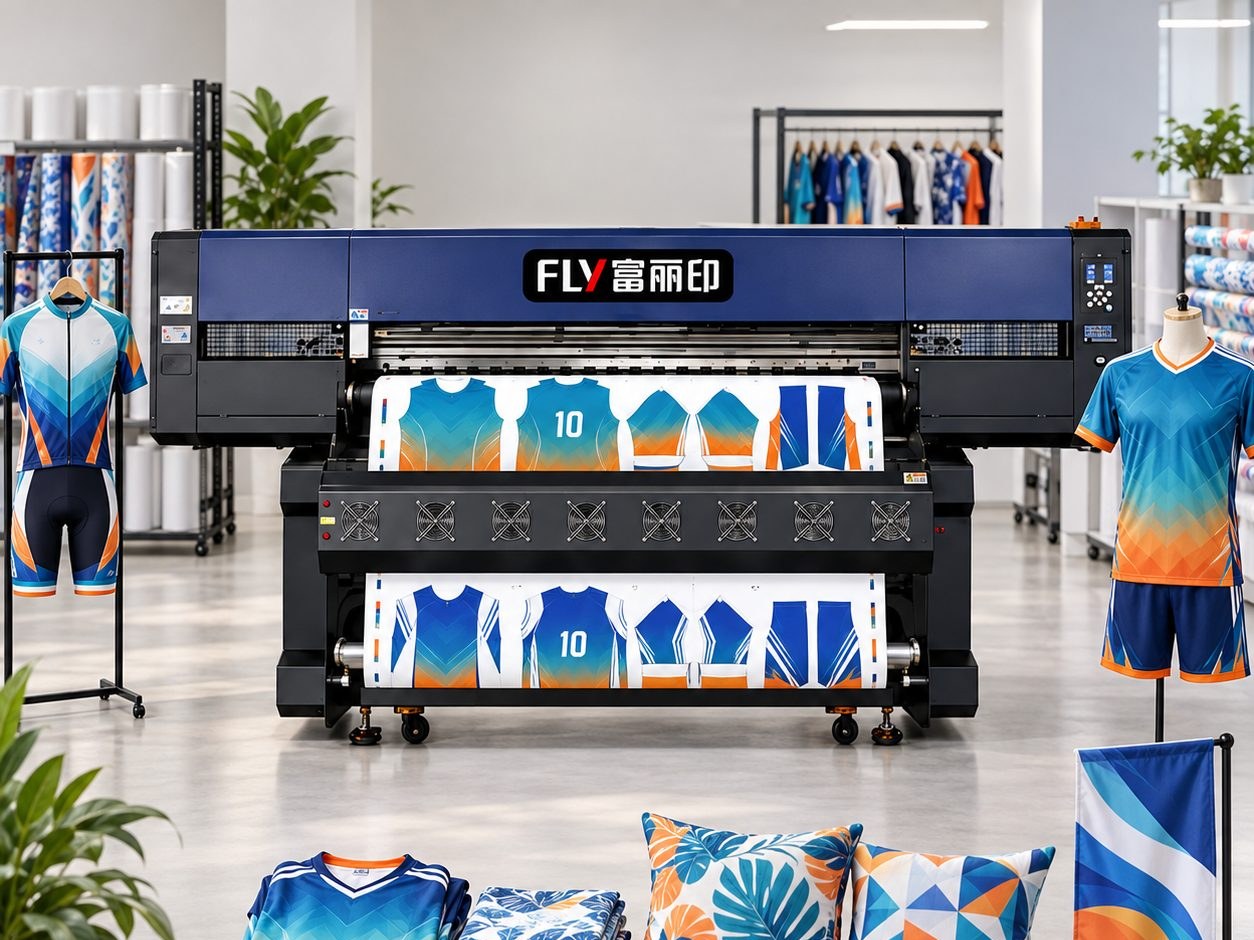
Industrial 2m sublimation printer with 8× Epson I3200-A1, up to 280 m²/h. High-volume textile printing for sportswear & home fabric factories. MOQ 1, factory-direct.
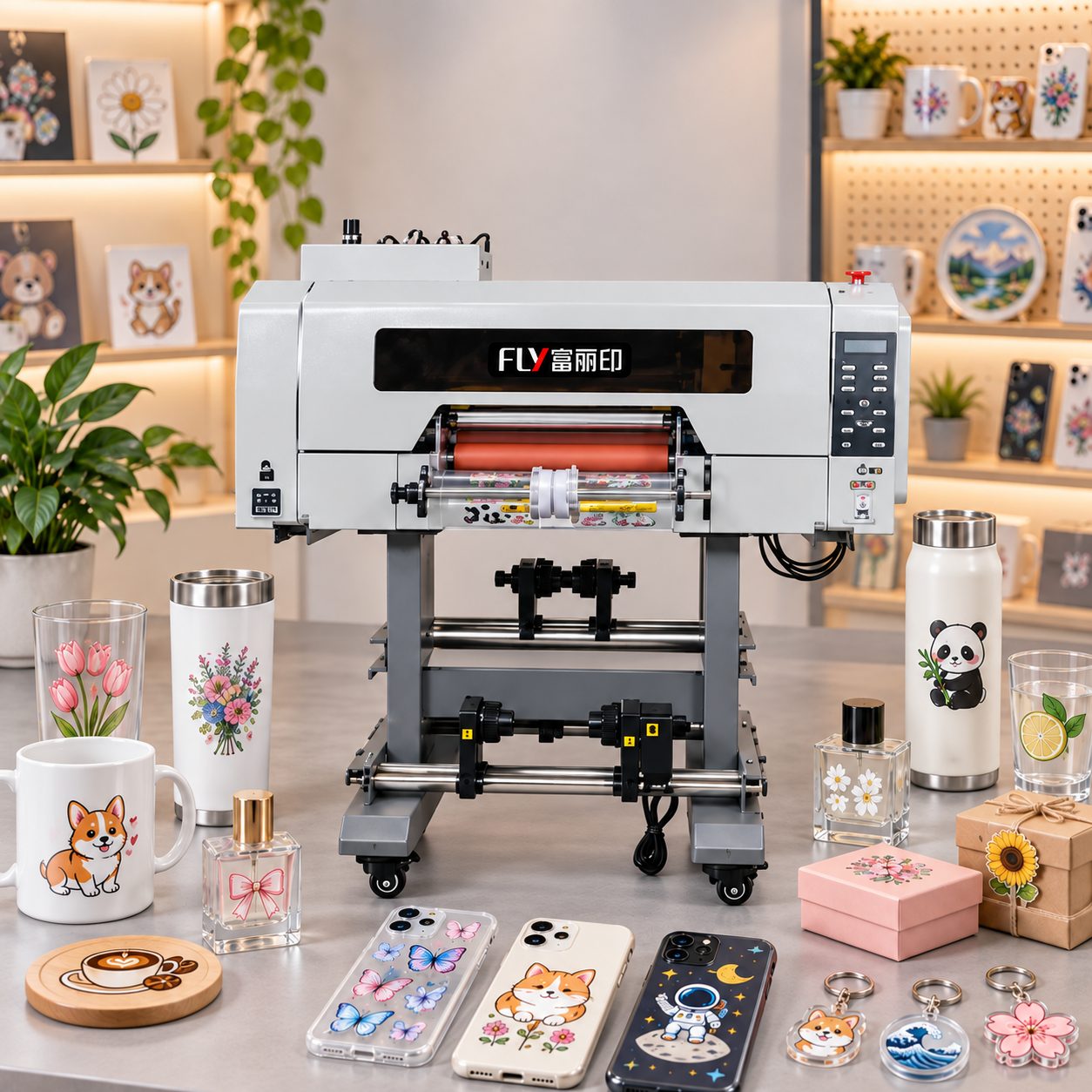
A3 UV DTF printer with integrated laminating for packaging decoration, creative gifts & brand logo customization. Compact UV DTF solution. Factory-direct, MOQ 1.
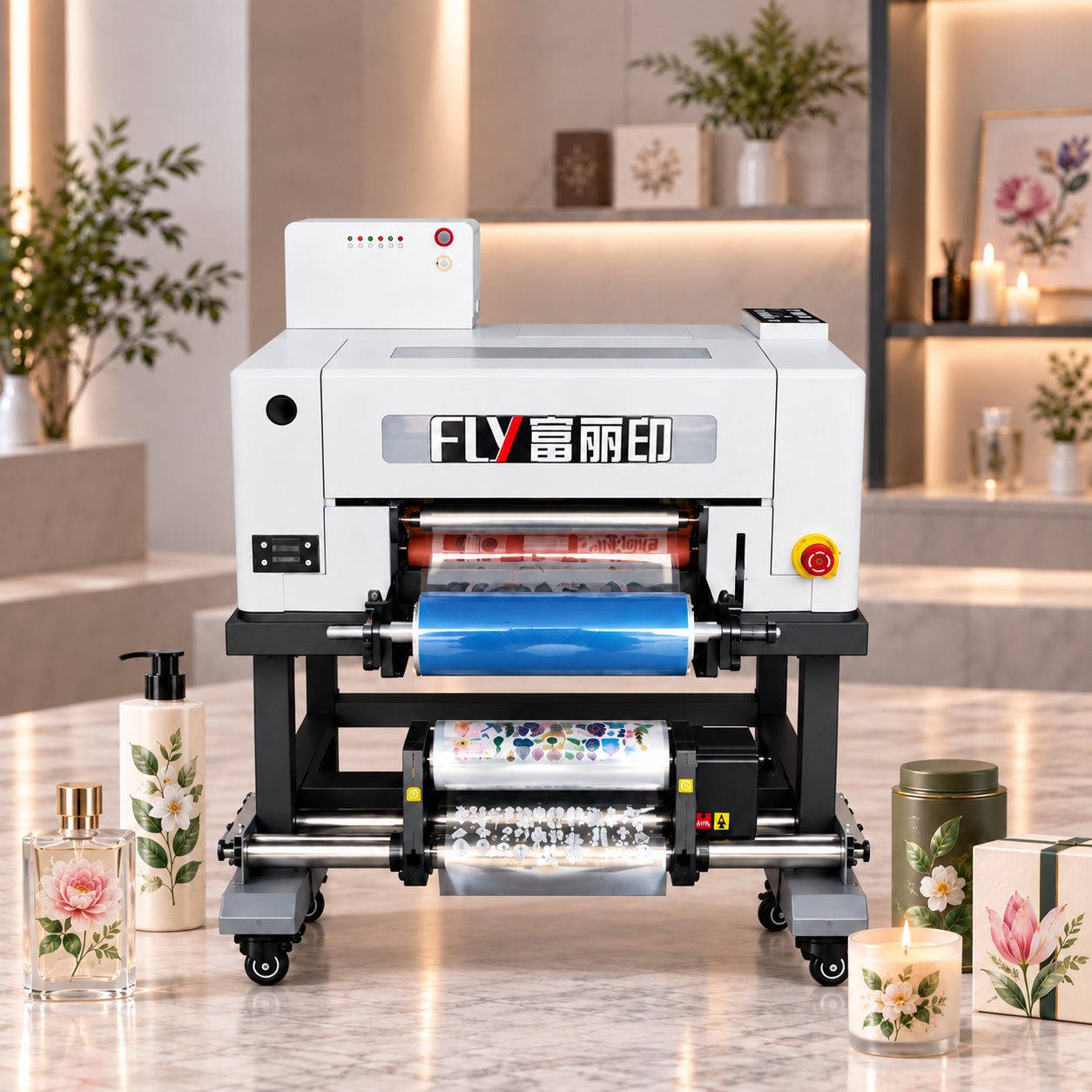
A3 UV DTF printer (upgraded model) for packaging decoration, creative gifts & brand logo customization. Compact UV DTF solution. Factory-direct, MOQ 1.
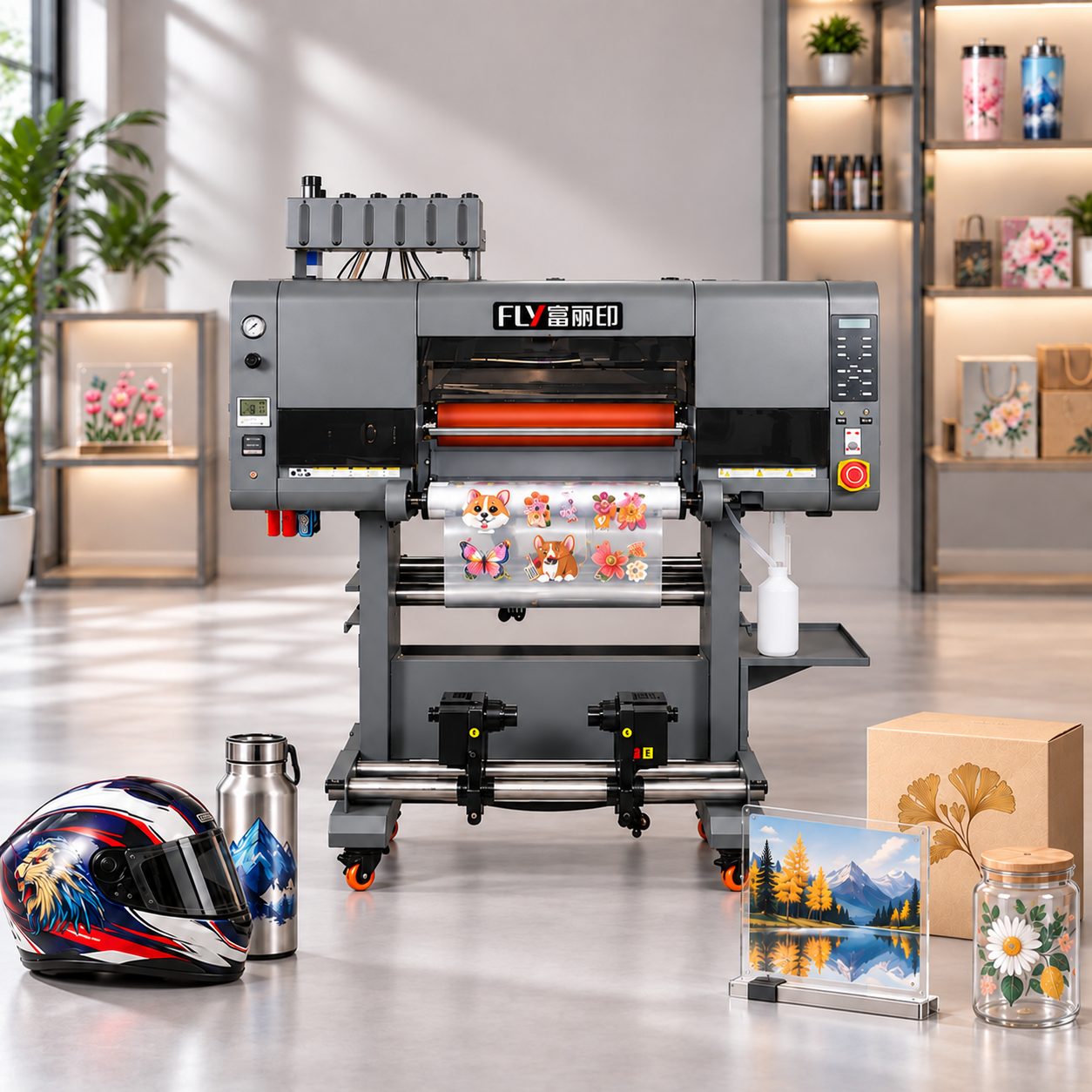
60cm UV DTF printer with integrated laminating, KCMY + White + Varnish. Supports multi-design layouts for packaging & gift customization. Factory-direct, MOQ 1.
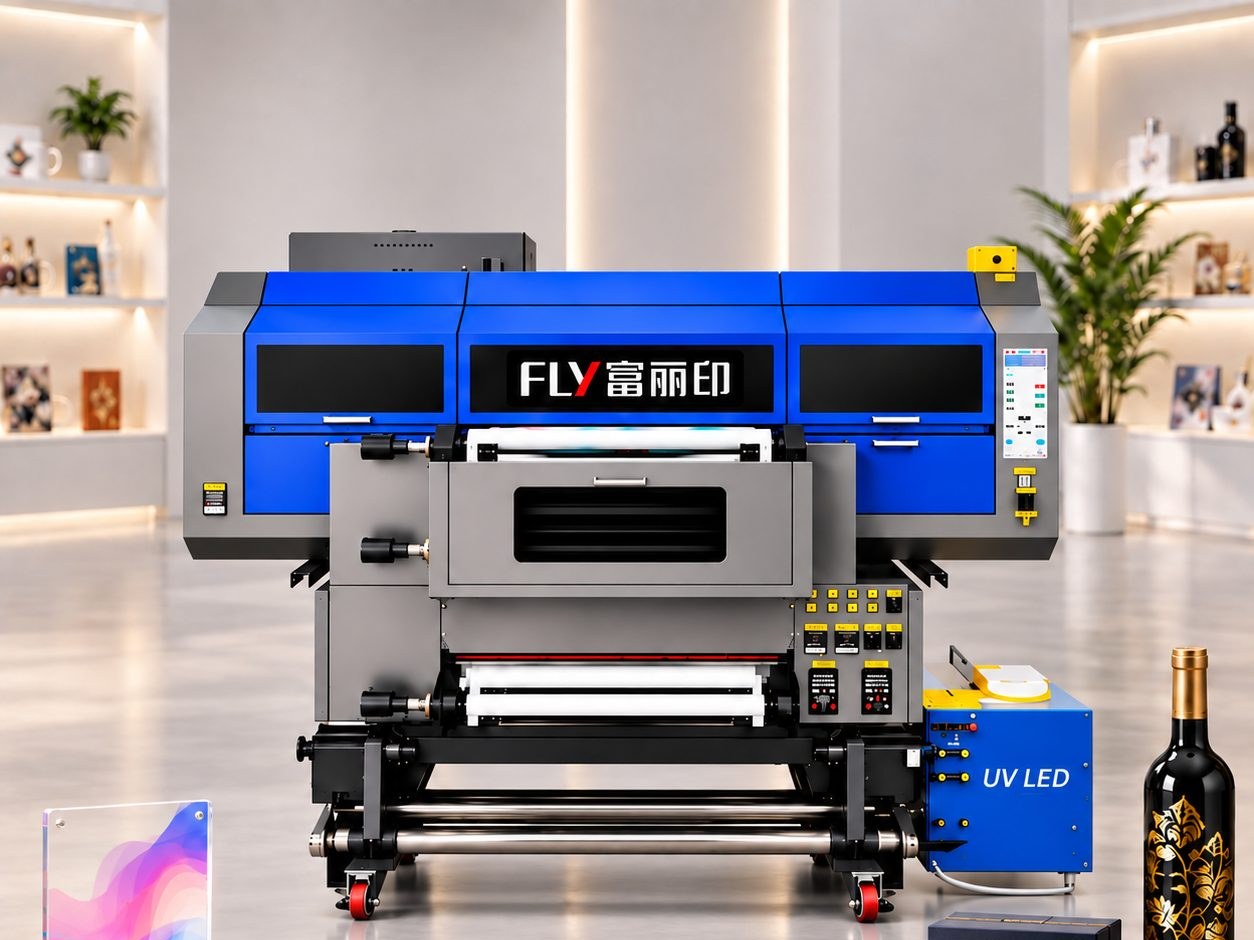
60cm UV DTF hot-stamping printer with A/B film transfer and laminating, for advertising signage, packaging decoration and gift customization. Factory-direct, MOQ 1.
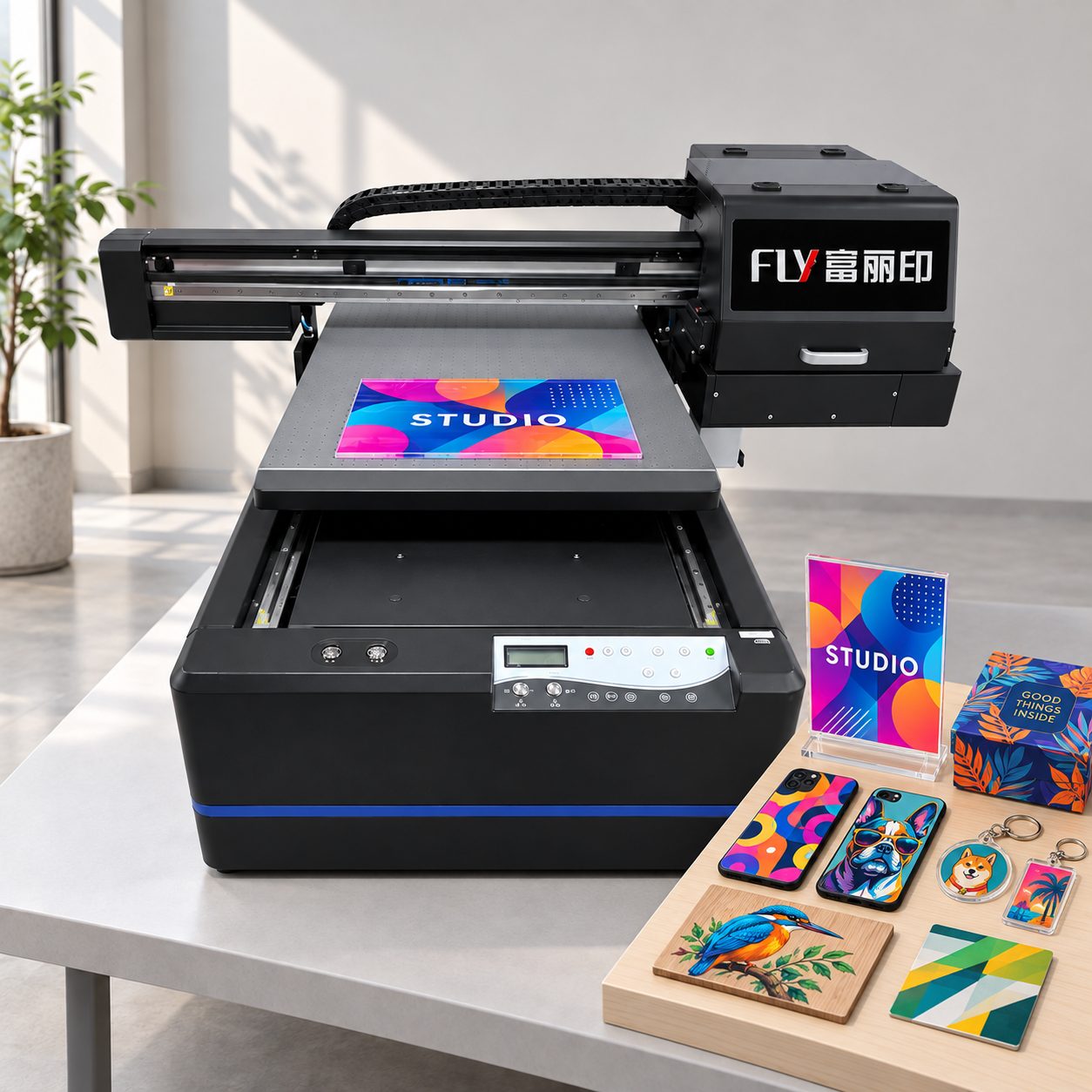
60×90cm UV printer for direct printing on acrylic, glass, wood, metal & more. Emboss and varnish effects for signage, gifts & personalization. MOQ 1.
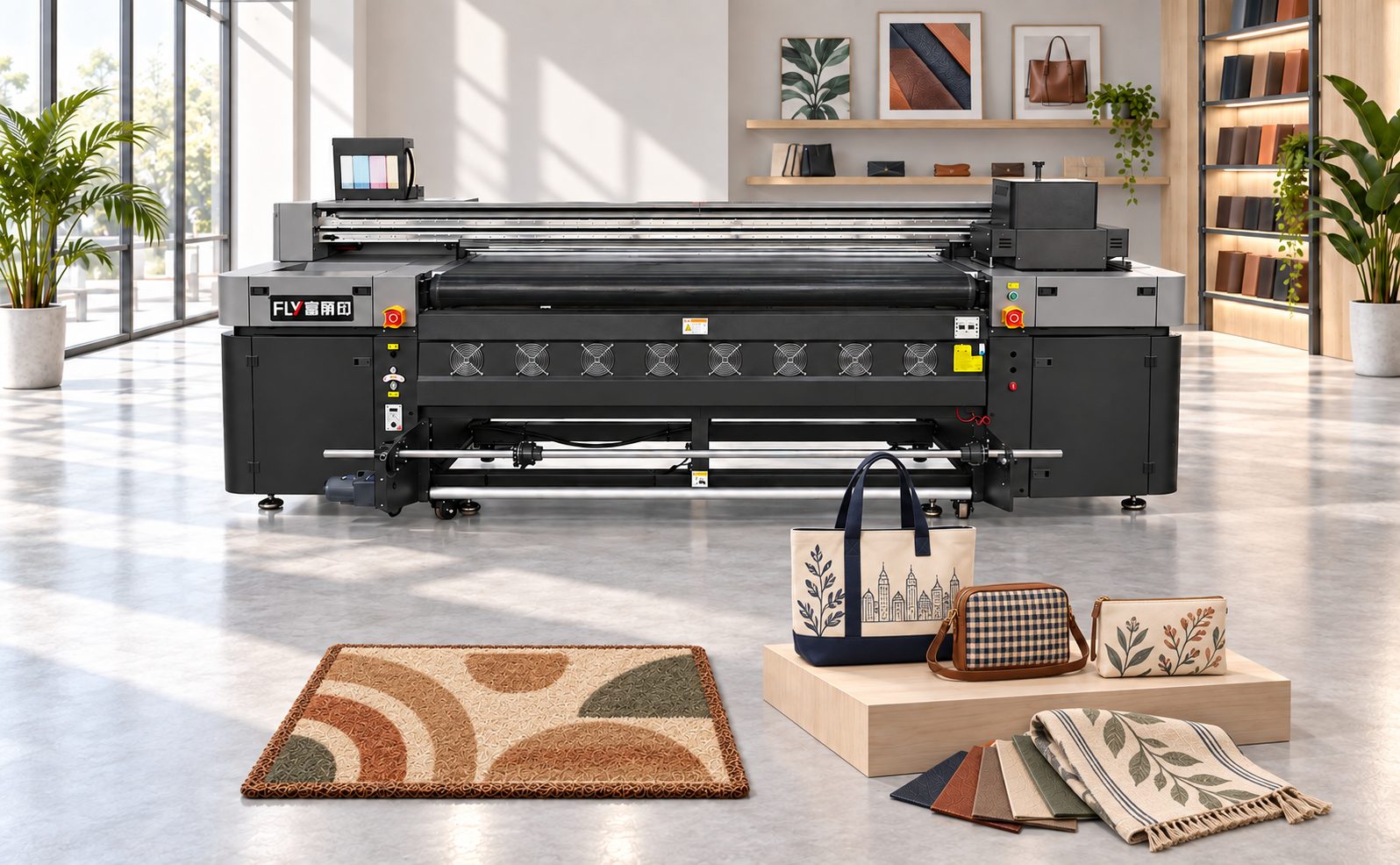
1.8m 4-head eco solvent belt printer for leather, car mats, tablecloths & PVC materials. 66 m²/h with continuous belt conveying. Factory-direct, MOQ 1.
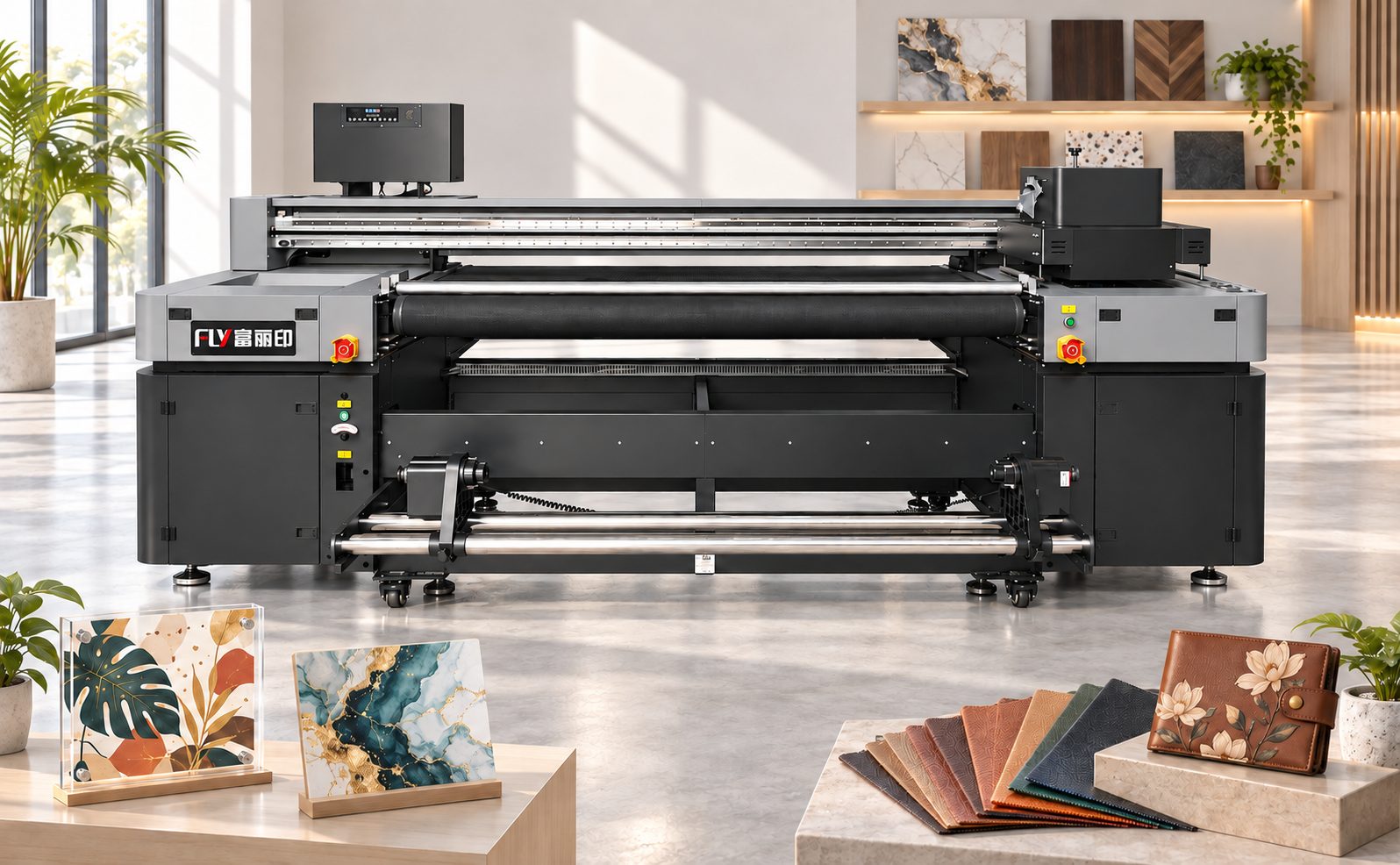
1.8m 4-head UV belt printer for advertising displays, decorative materials & personalized pattern processing. Continuous belt conveying. Factory-direct, MOQ 1.
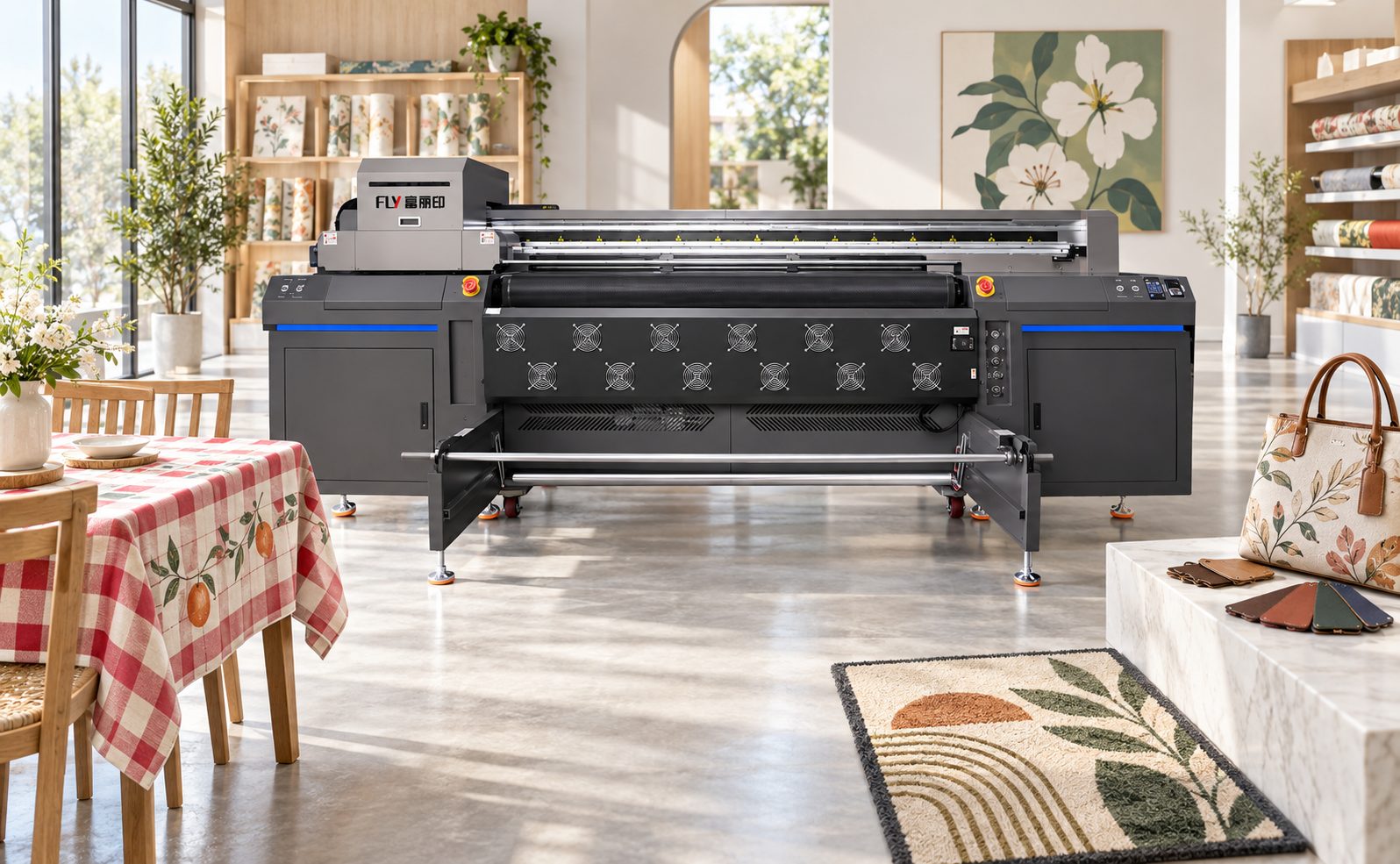
1.8m eight-head eco solvent belt printer for leather, PVC & home decoration materials. Continuous belt conveying for volume production. Factory-direct, MOQ 1.
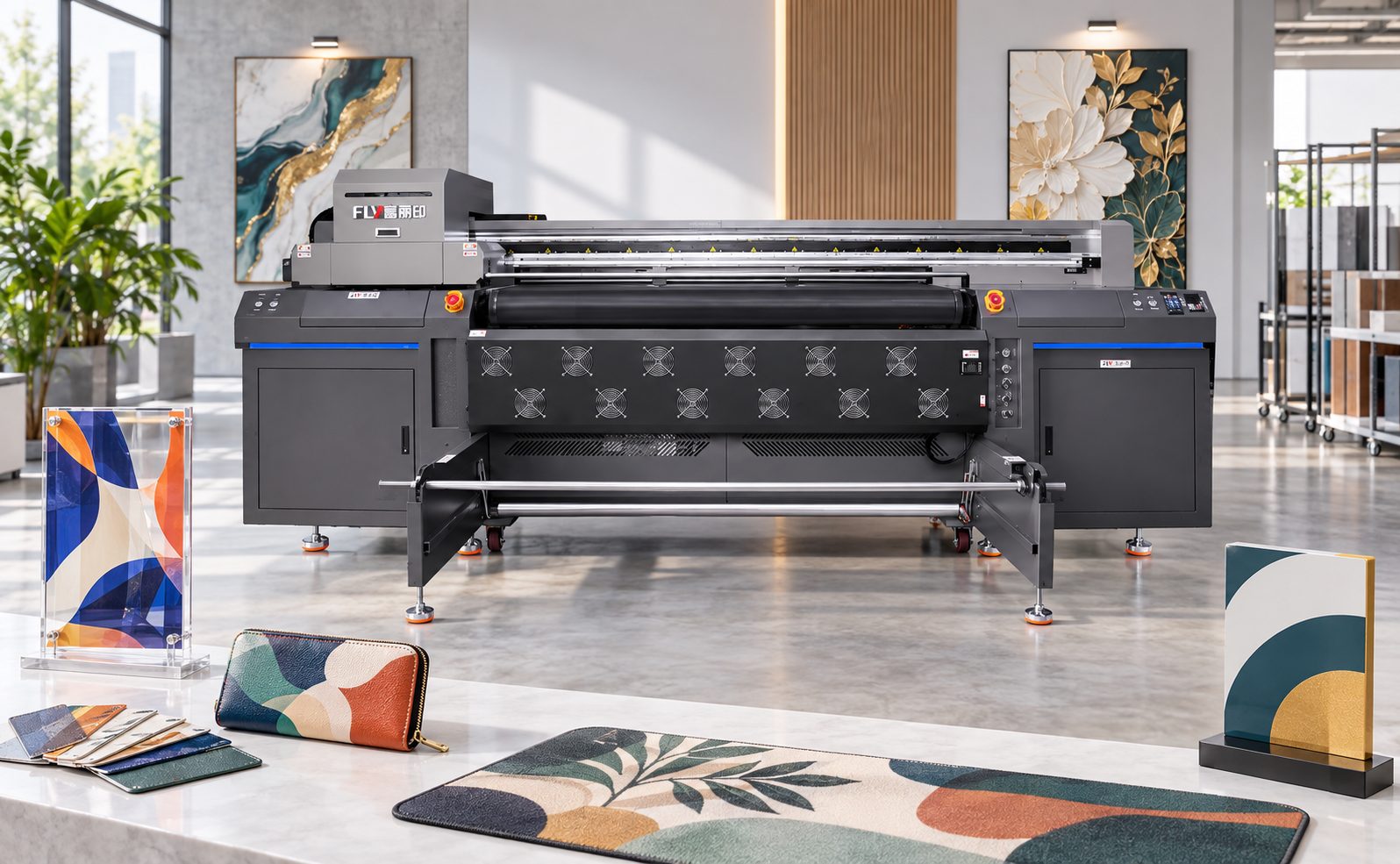
1.8m 8-head UV belt printer for advertising displays, decorative materials & personalized pattern processing. Continuous belt conveying. Factory-direct, MOQ 1.
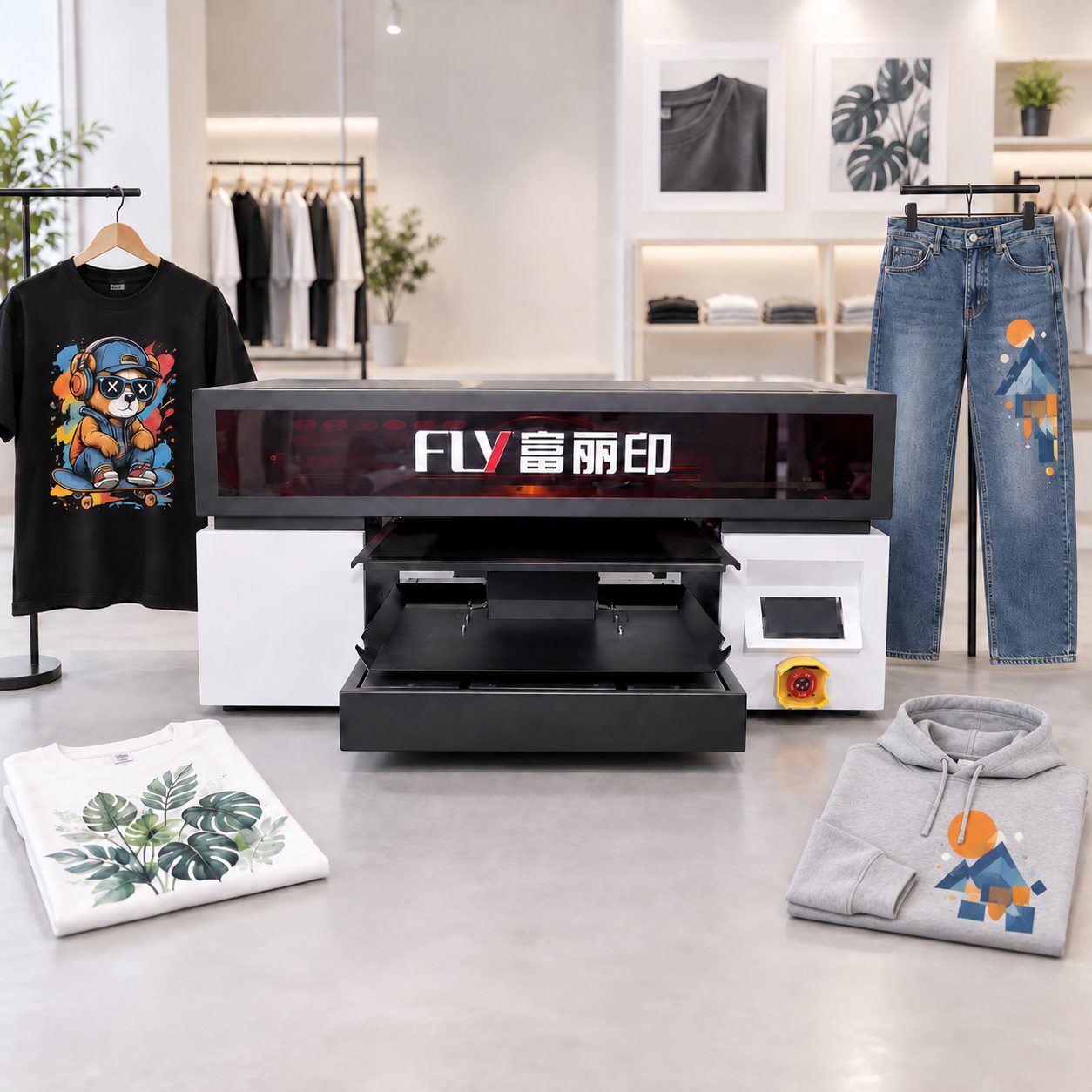
A single-station DTG printing solution that prints designs directly onto compatible garment fabrics, for T-shirts, hoodies and personalized apparel customization.
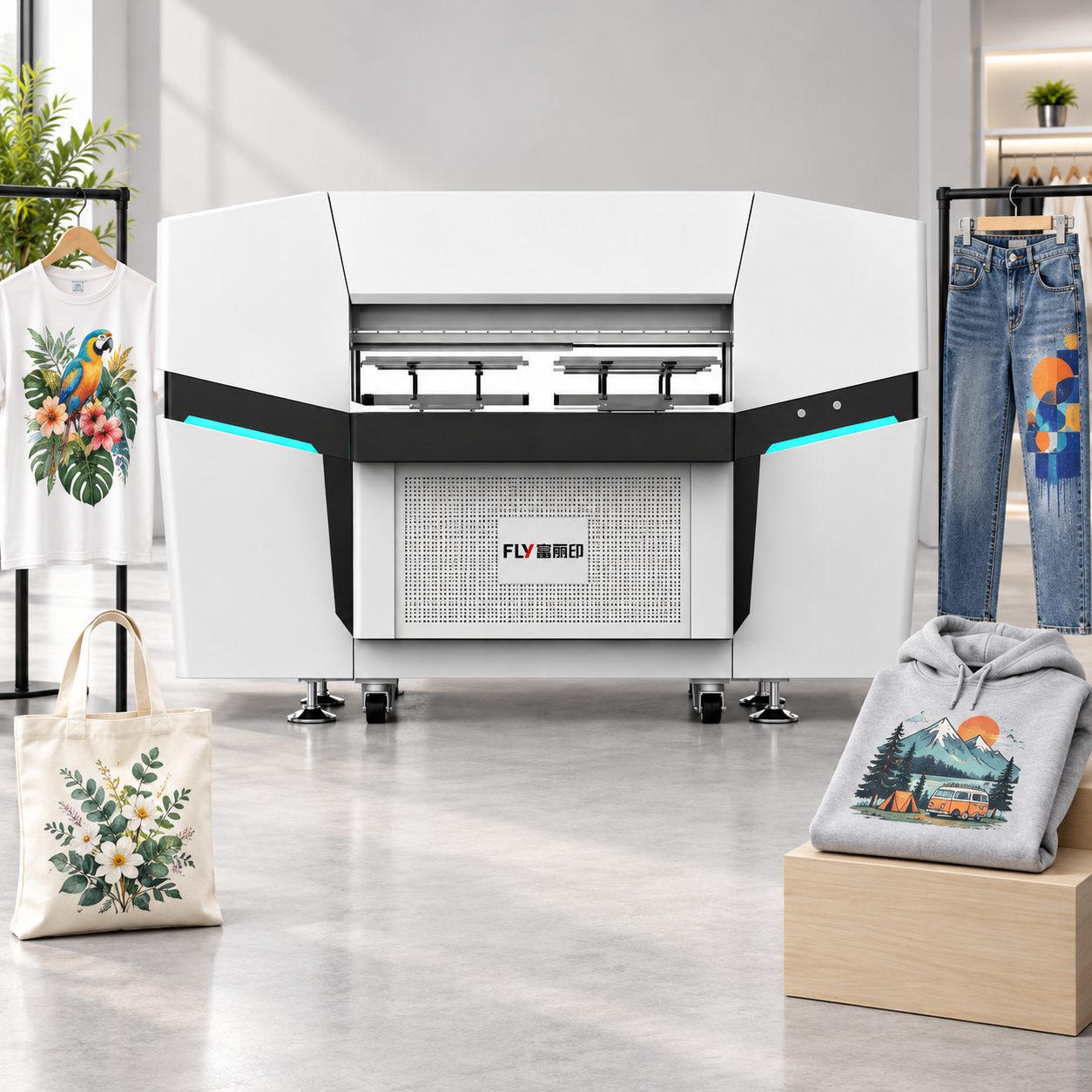
A DTG printing solution that prints designs directly onto compatible garment fabrics, for T-shirts, hoodies, branded apparel and personalization businesses.
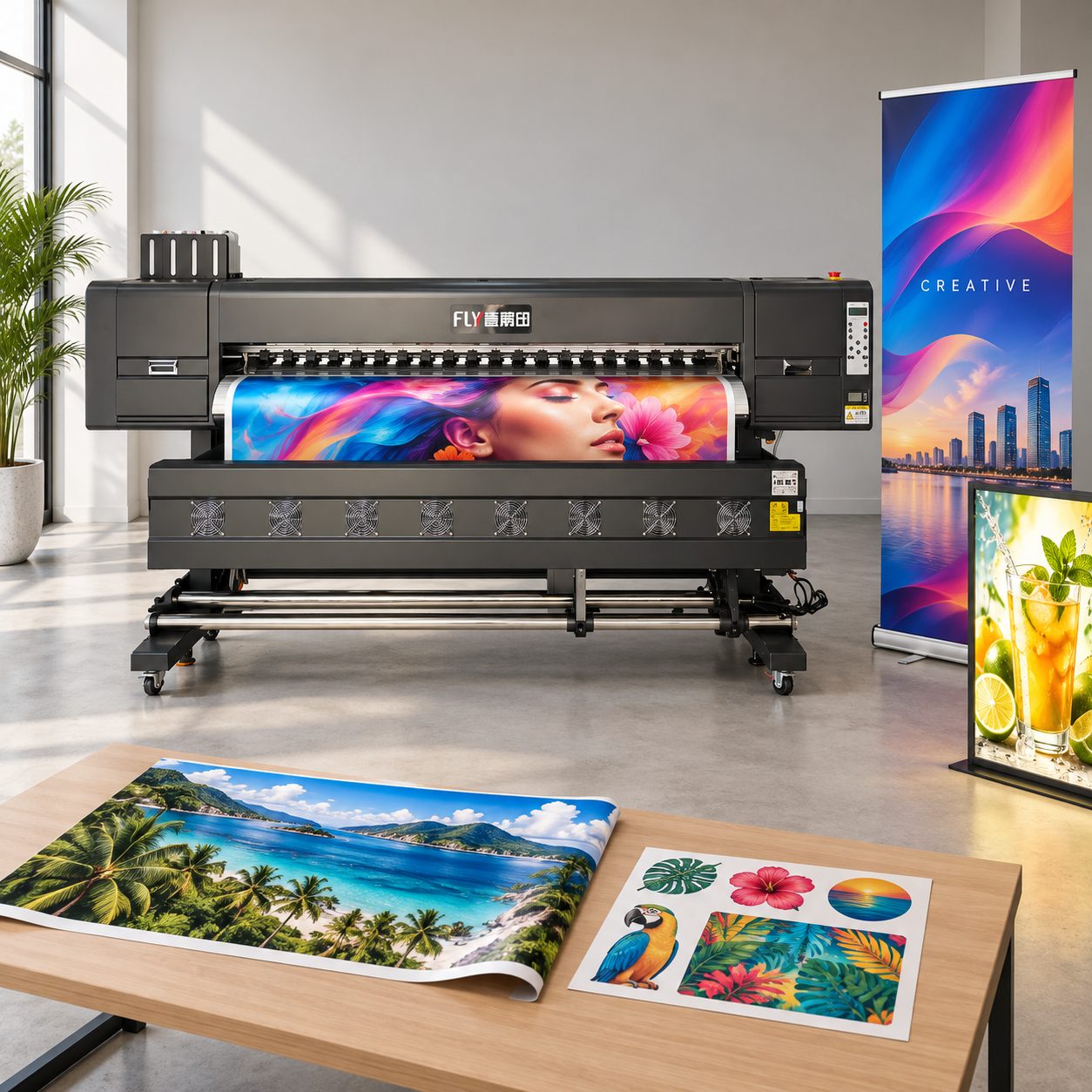
1.8m dual-head eco solvent printer for banners, sign shop & advertising graphics printing. High-precision CMYK output. Factory-direct China, MOQ 1.
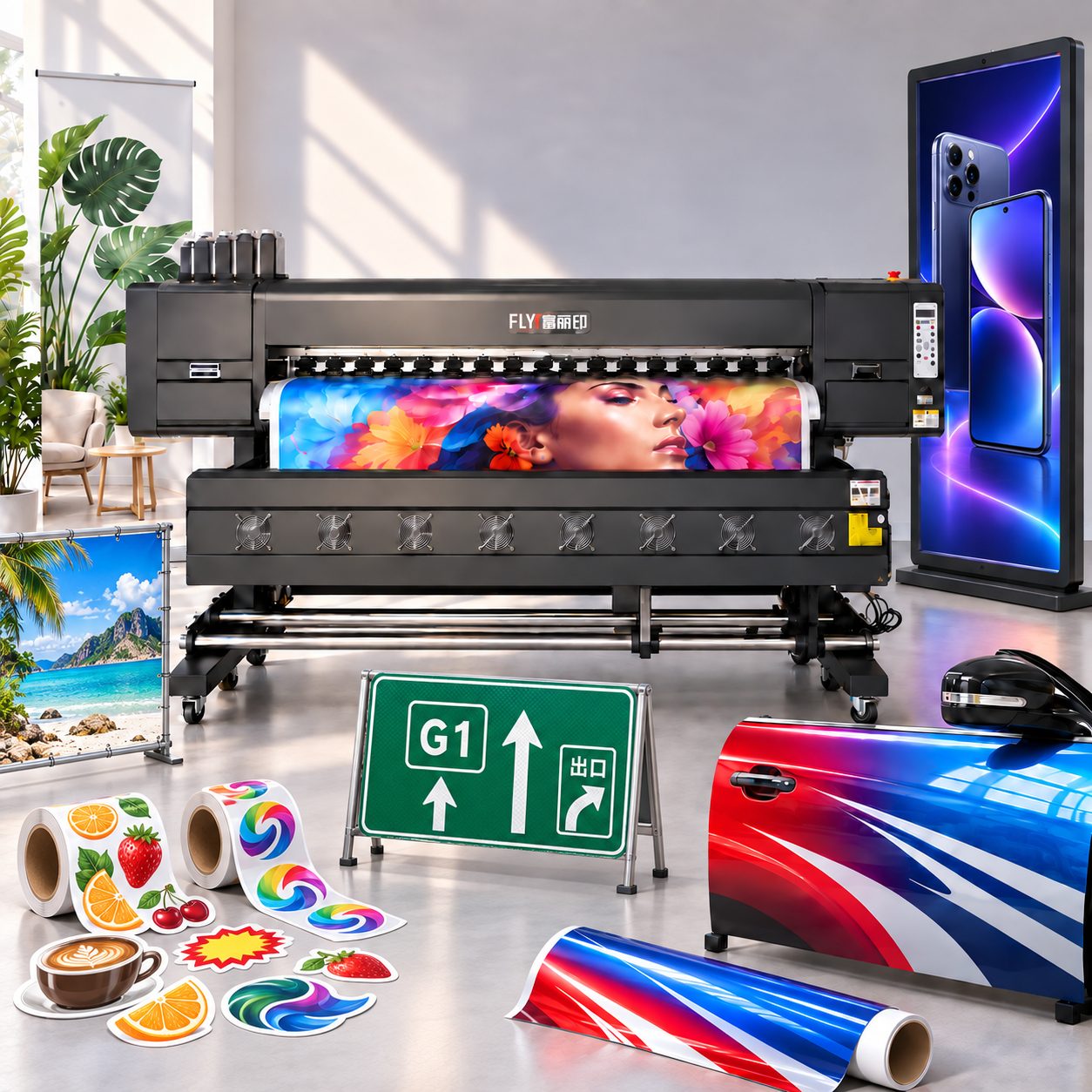
1.8m four-head eco solvent printer for light boxes, posters, display stands & commercial graphics. High-speed banner printing. Factory-direct, MOQ 1.
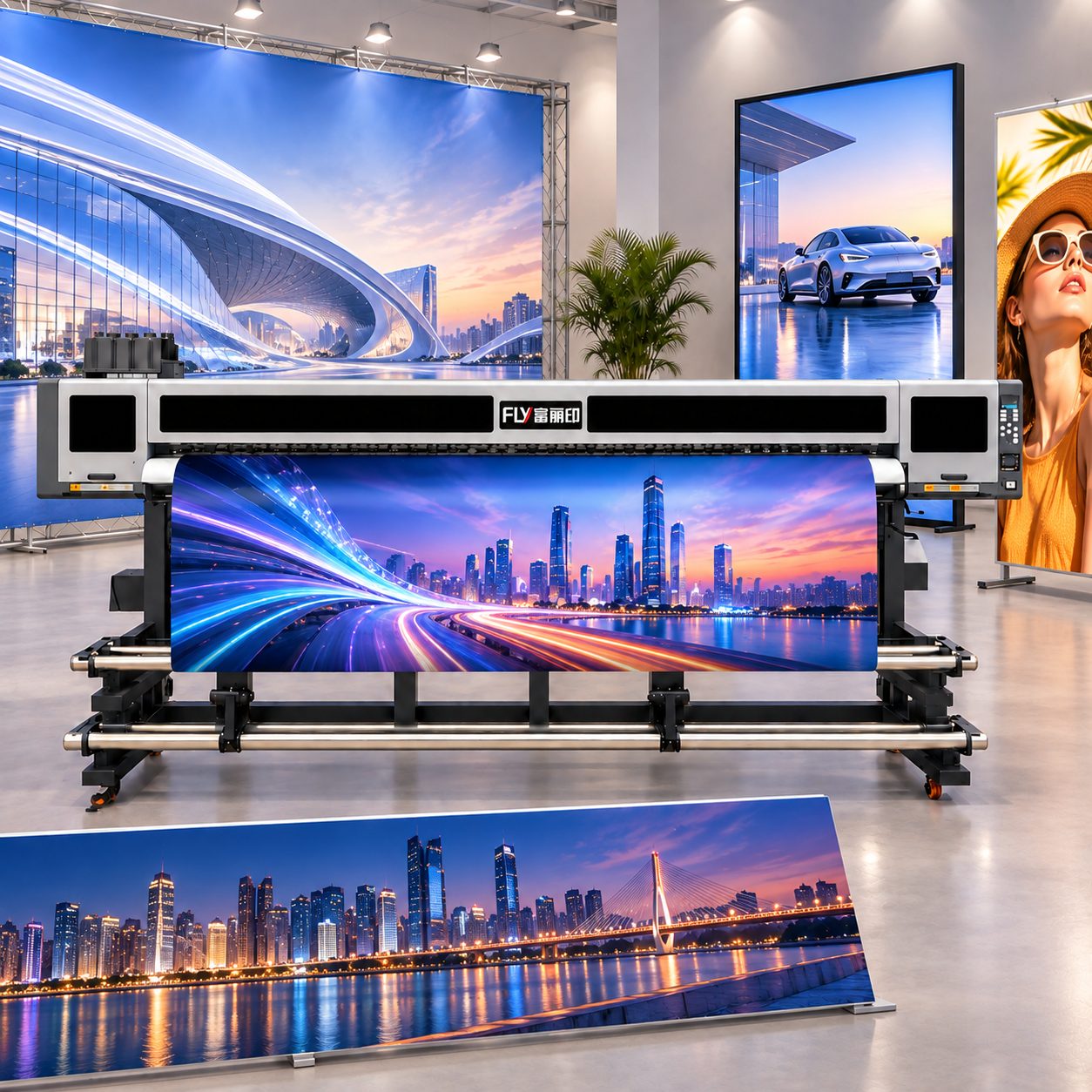
3.2m super-wide 2-head eco solvent printer for large light boxes, exhibition backdrops & outdoor advertising graphics. Factory-direct China, MOQ 1.
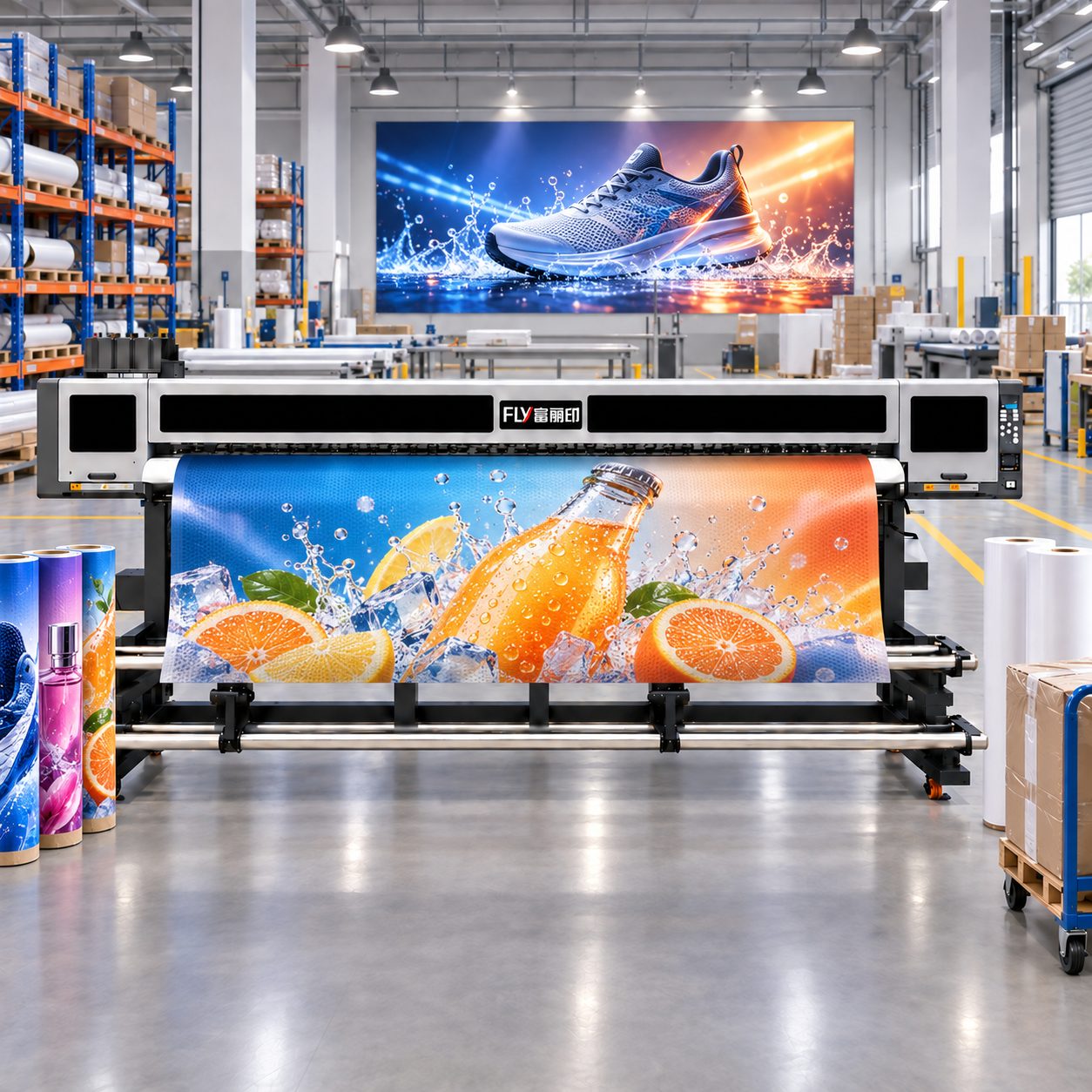
3.2m super-wide 4-head eco solvent printer for large light boxes, exhibition backdrops & outdoor advertising graphics. Factory-direct China, MOQ 1.
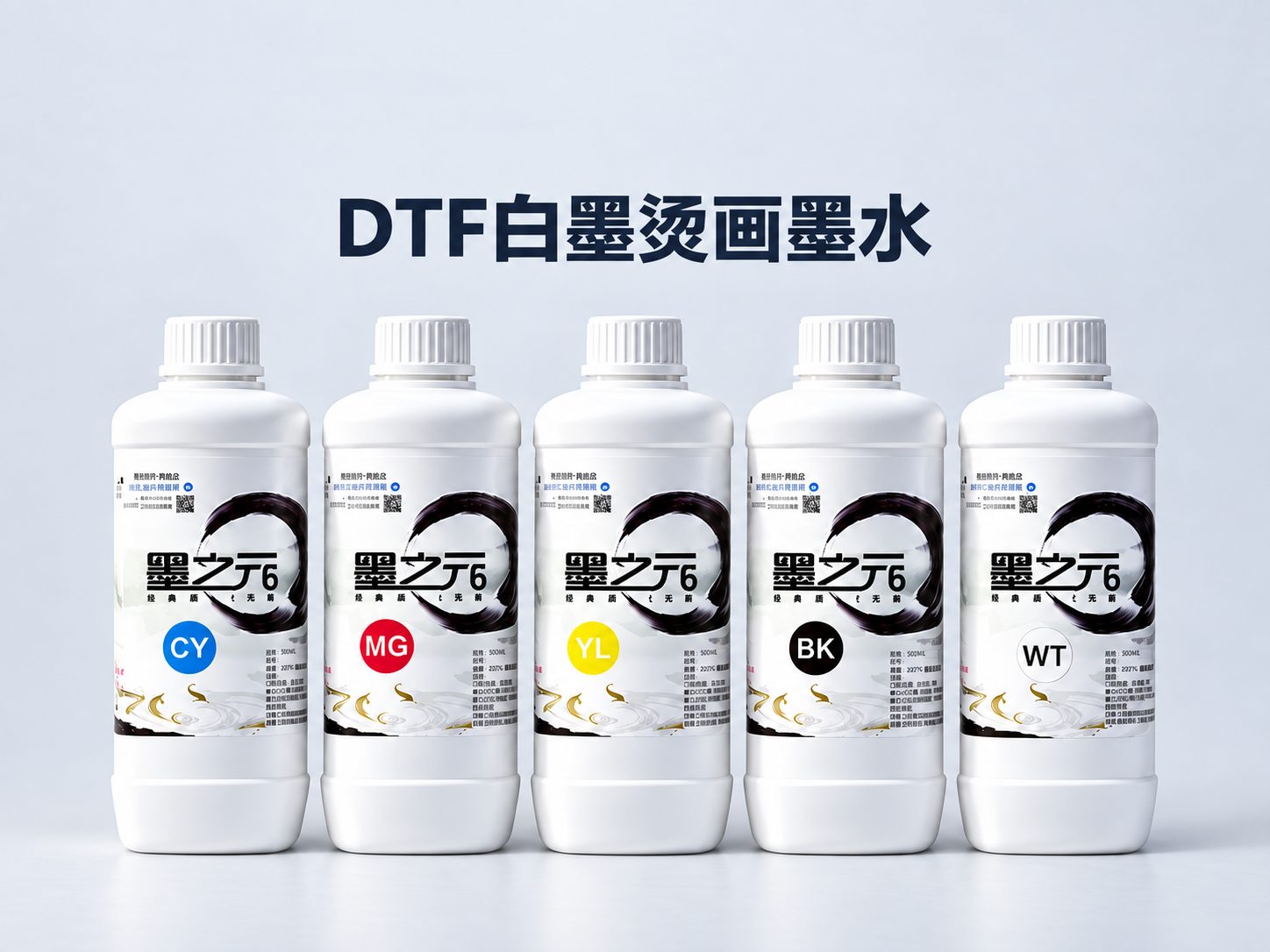
For DTF printing, works with DTF film, hot-melt powder and heat pressing to meet the demand for personalized garment designs.
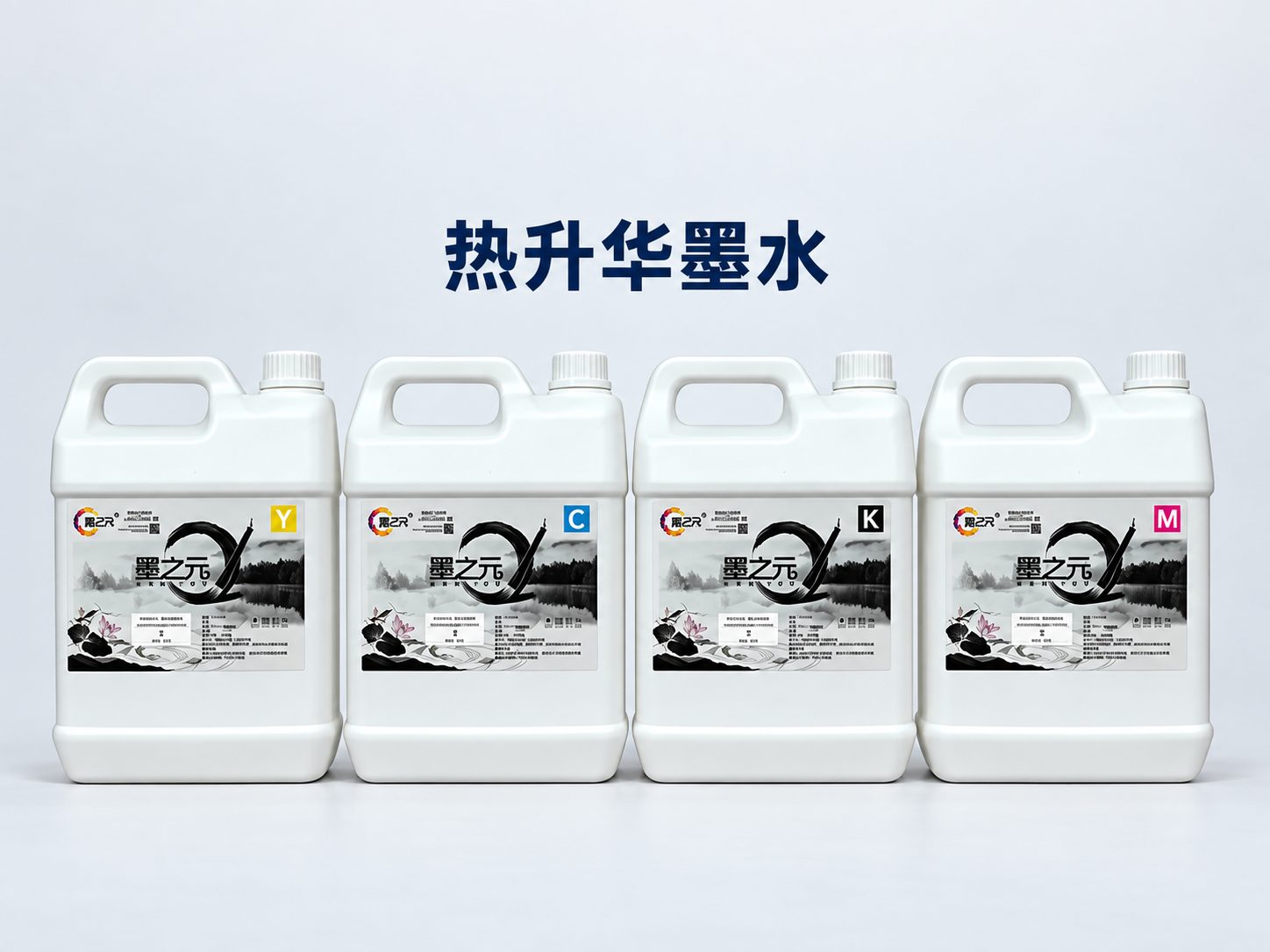
Vivid colors and fine particles, compatible with mainstream printheads, with stable color fastness.
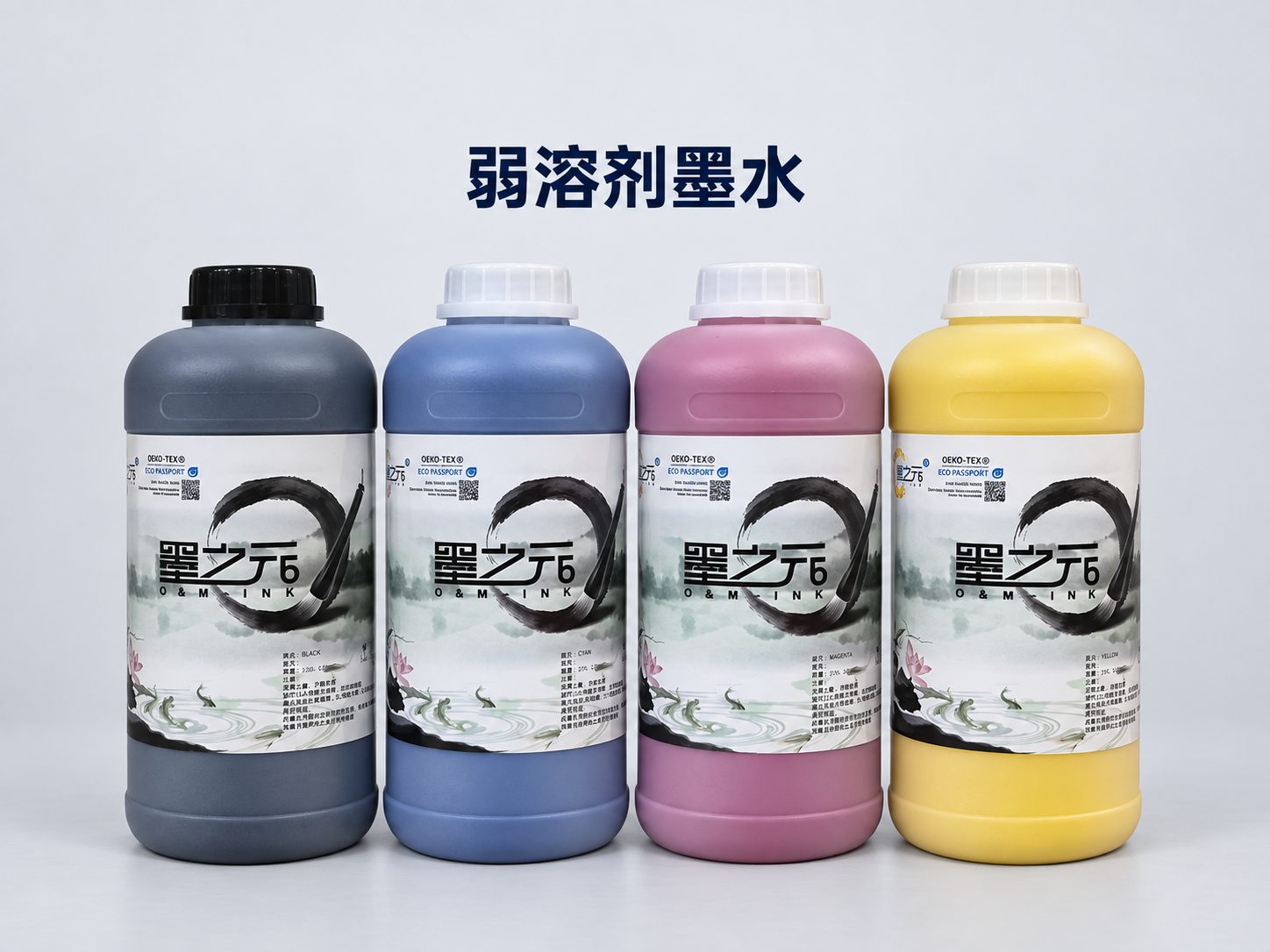
For compatible Eco-Solvent inkjet equipment — posters, light boxes, car stickers and commercial display graphics; ink models are matched to the print head and media.
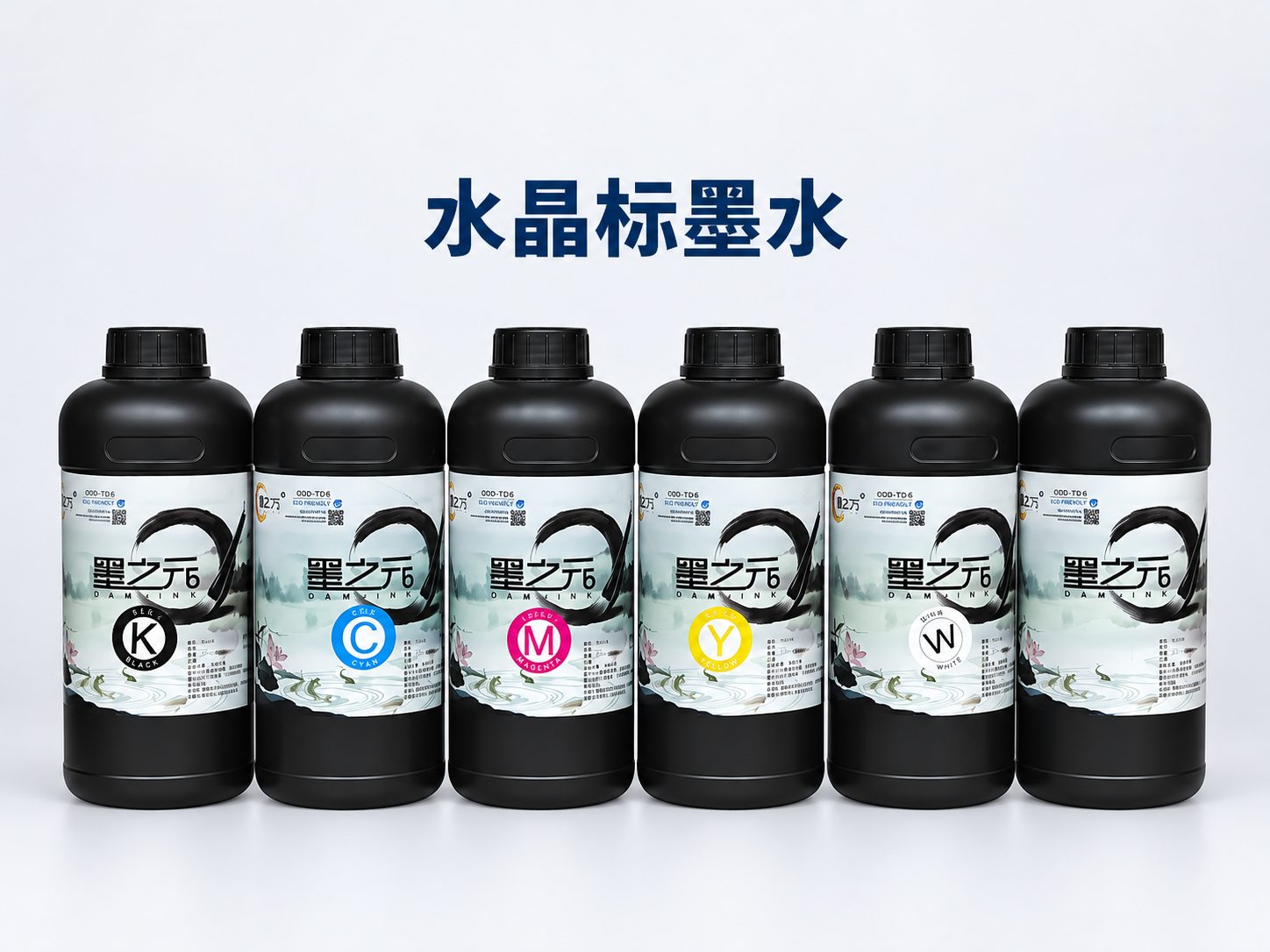
For compatible UV DTF printing equipment — works with dedicated film and the transfer process to meet packaging decoration, creative gift and brand logo needs.
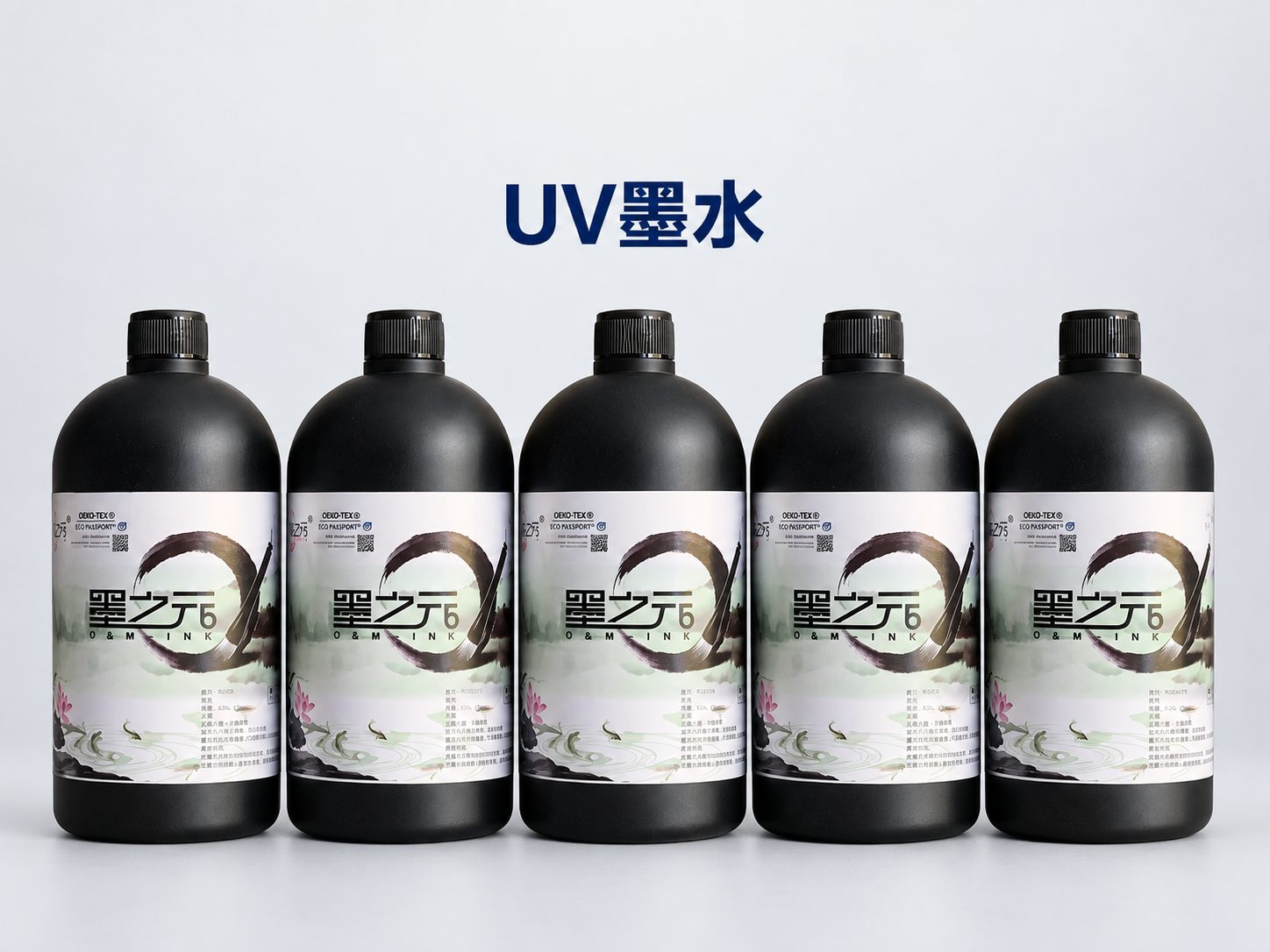
For compatible UV inkjet equipment — advertising signage, creative gifts and decorative pattern printing; ink models are matched to the print head, curing system and application material.
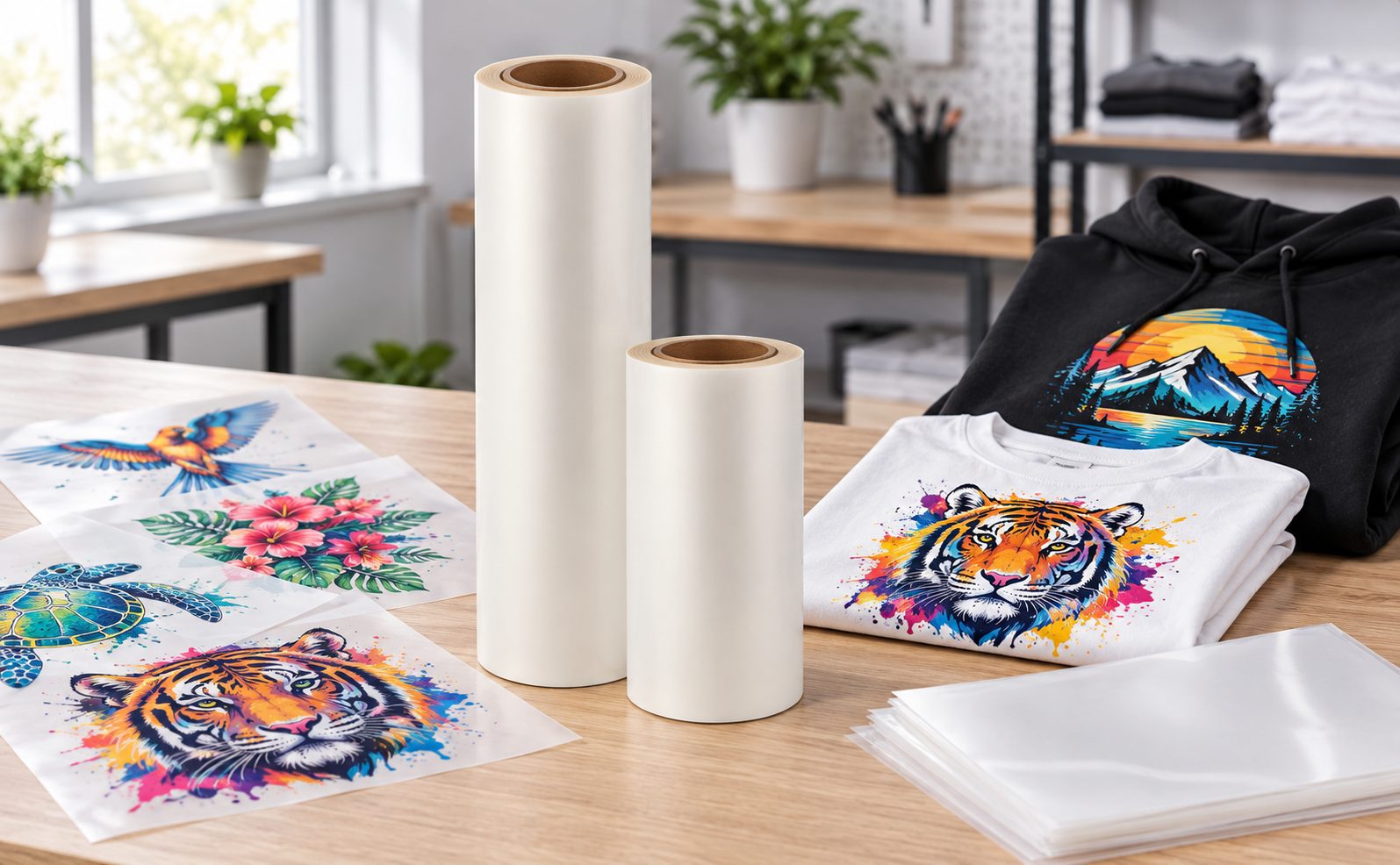
For DTF pattern printing — works with DTF Ink, DTF powder and the heat press process to meet transfer needs for apparel, fabric accessories and personalized designs.
Buying points and real application scenarios by category — pick a category on the left to switch.
A 42 cm (A2) all-in-one suits studios and sampling; 60 cm is the mainstream production width with better layout efficiency and lower unit cost.
Dual head for frequent small batches; quad or six head for continuous production. The powder shaker can be integrated or a separate unit.
Ink, film and powder are matched to the machine — ordering as a set secures colour consistency and long-term supply.
One-year warranty on core components, lifetime technical support, installation, operator training and consumable resupply from the same contact.
T-shirts, hoodies and team wear in small batches — printed from one piece.
Many designs, small repeat orders; no plate cost and no waiting time.
Continuous production with quad or six-head machines and long-term consumable supply.
Bags, canvas, footwear and other compatible fabrics.
Polyester and synthetic blends are the natural home of sublimation — ink bonds into the fibre for a soft hand and good colour fastness. Cotton needs coating first, or choose DTF instead.
60 cm for ribbons, lanyards and narrow goods; 130–180 cm for sportswear panels and home textiles; 200 cm eight-head machines for high-volume advertising fabric.
Cost per transfer = ink + transfer paper + pressing time. For large repeat runs it is usually below DTF; for scattered designs DTF stays more flexible.
Ink and paper are matched to the print head and media; temperature, dwell time and pressure are confirmed together so colours come out as sampled.
Cycling kits, jerseys and yoga wear in polyester fabrics, in continuous runs.
Cushions, curtains and table linen in wide format, with saturated colour and simple finishing.
Medal ribbons, elastic bands, lanyards and pet leashes in narrow continuous printing.
Backlit and flag fabrics, integrated with downstream finishing.
Acrylic, glass, metal, plastic and leather — UV DTF needs no plate and suits heat-sensitive substrates where UV flatbed printing is not an option.
A3 (4203U / 4201U) for sampling and small batches; 60 cm (6503U) for packaging and label orders, with more pieces per layout and lower unit cost.
The gold-foil series (6504U PLUS) adds a metallic finish on top of the A/B film process for gifts and brand labels.
UV DTF ink and A/B film are matched to the machine — a set purchase keeps adhesion, scratch resistance and transfer quality consistent.
Bottles, gift boxes and cartons with graphics and brand marks.
Phone cases, acrylic pieces and badges in personalised runs.
Nameplates, label stickers and logo transfers in small mixed batches.
Cylinders and curved shells, applied smoothly without lifting.
Acrylic, glass, wood, metal, leather and other rigid flat parts are the flatbed's home ground. Check max thickness first: the FLY-6090U adjusts 0-180 mm; thicker or irregular parts need custom jigs.
60x90 cm is the sweet spot for sampling and small batches. For volume orders, use a jig to nest multiple parts per pass — unit cost drops sharply.
XP600 for entry level, TX800 for value, I1600 for speed plus precision, I3200 for high-volume production. White ink and varnish occupy channels, and relief mode slows output.
UV ink cures instantly, but glass and metal benefit from cleaning and a primer. Always run a physical sample to confirm colour, adhesion and abrasion resistance before mass production.
Acrylic display pieces, medals, keychains, phone cases in small runs.
Metal plates, acrylic lightbox panels, direction signs, door plates.
Short-run graphics on cartons and gift boxes without plate costs.
Wood veneer panels, glass decorative prints, personalised custom orders.
For leather and tablecloth printing, choose an eco-solvent belt machine first: ink penetrates the material, hand feel stays soft, colours stay vivid and running cost is lower. UV is the second choice, for jobs needing a harder, more abrasion-resistant surface. Printing on black or dark material? It must be UV — only multi-layer white UV ink builds enough opacity; eco-solvent colours look muddy and grey on a dark base.
180 cm is the mainstream width for home textiles and lightbox fabric. Four heads suit many styles in small batches; eight heads suit continuous production.
Look at belt tracking, tension and vacuum hold-down — how steadily soft and elastic material feeds directly determines registration accuracy and scrap rate.
Leather needs surface cleaning; eco-solvent needs a drying and evaporation tunnel, UV needs pre-treatment for adhesion and white opacity. Always sample on the real material before production.
Direct printing on bags, shoe uppers, leather goods and panels. Standard leather runs best on eco-solvent: soft hand, lower cost.
Wide-format printing for tablecloths, placemats, curtains and cushion fabric — eco-solvent penetrates well, washes well and stays soft.
Black leather, dark canvas, dark PVC — UV belt with white ink underbase for solid, opaque colour.
Backlit soft film, advertising banners, display graphics.
Door mats, floor mats and made-to-order personalised jobs.

Open WeChat and scan the QR code to add us