Panyu District, Guangzhou, China One-Stop Sourcing for Digital Printing Machines
13342899068 fuliyin01@gmail.com

Home / Products / Sublimation Printer

Sublimation Printer (Digital Textile Printing)

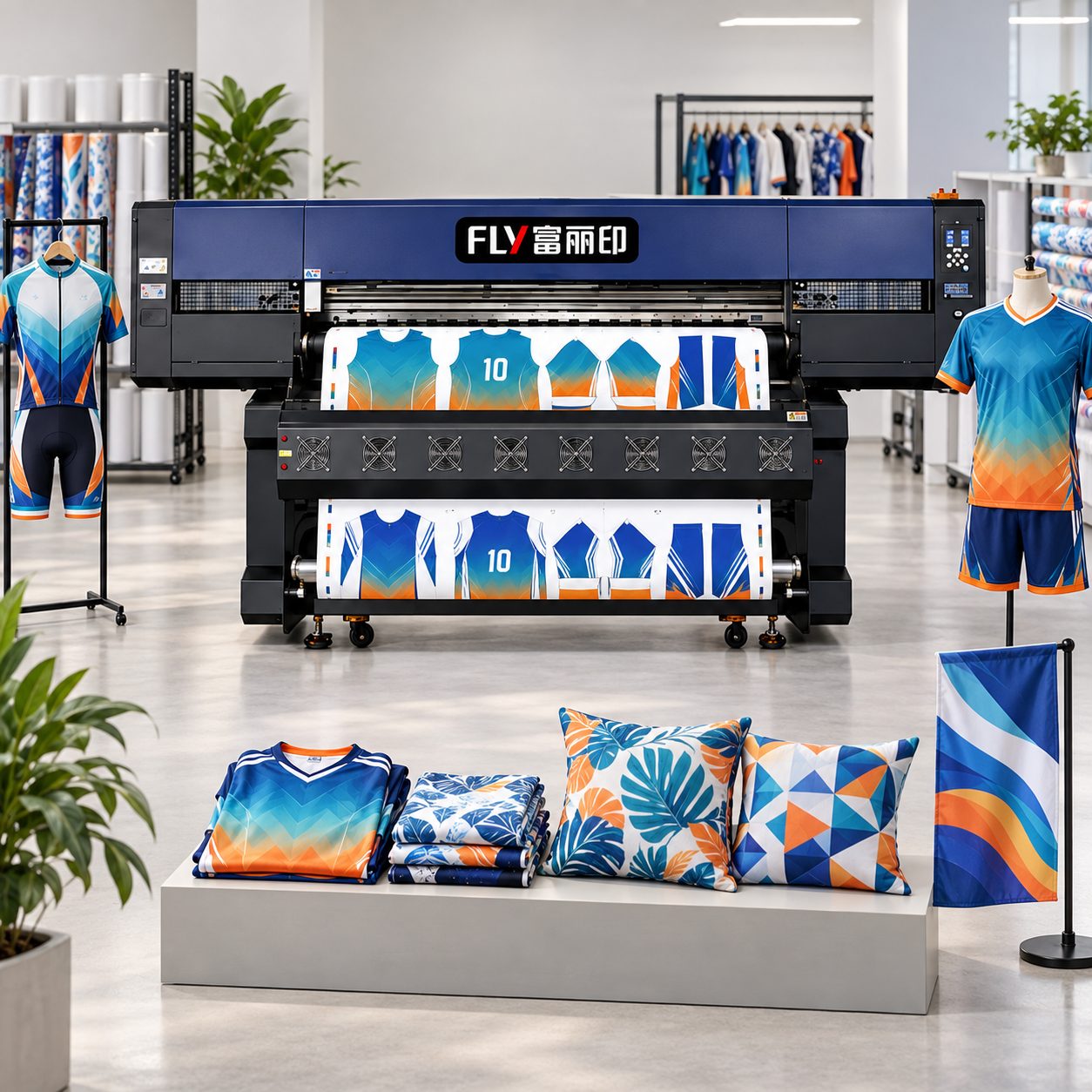
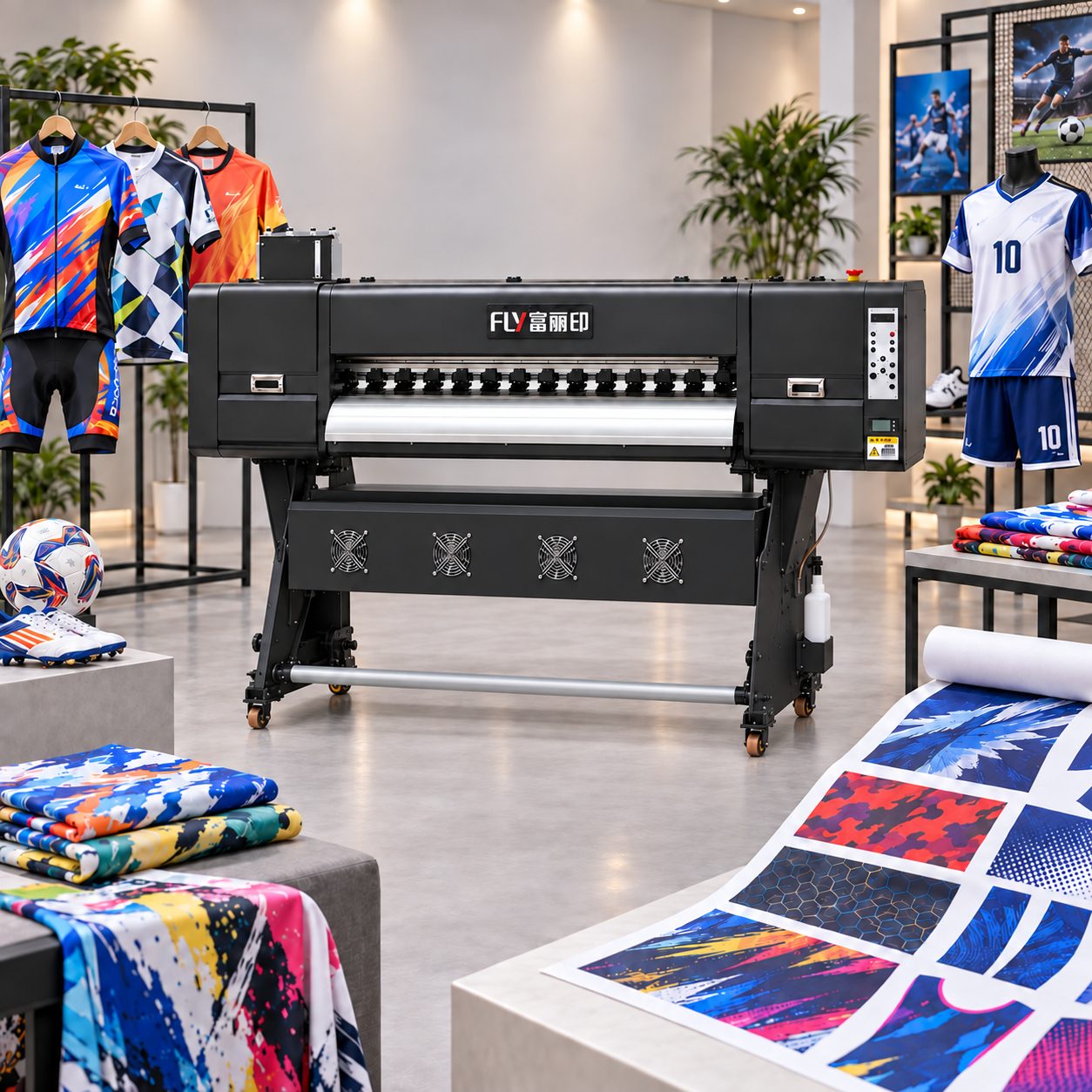
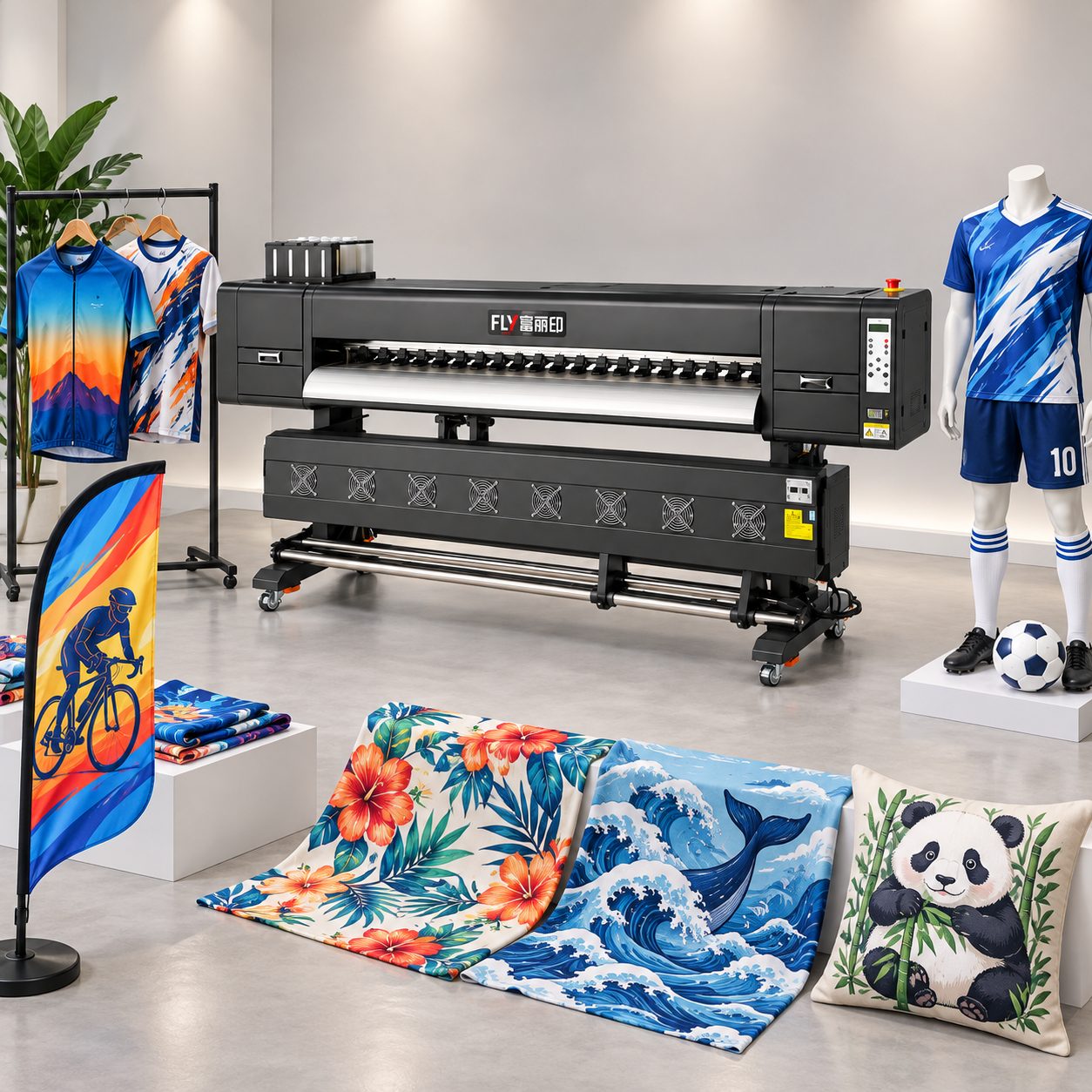
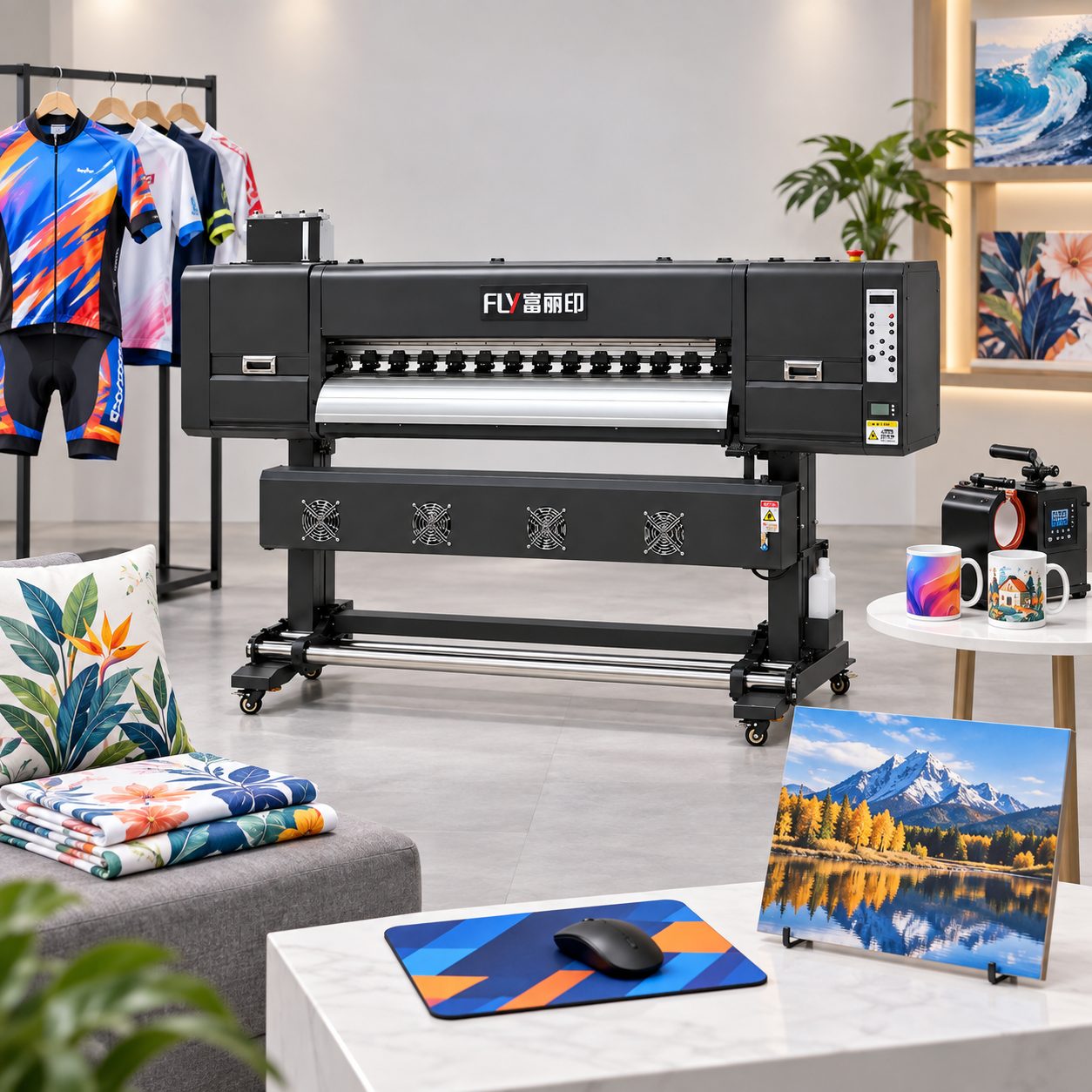
The lowest-cost route for polyester and synthetic fabrics in large repeat runs. From 60 cm ribbon machines to 200 cm eight-head high-speed models, matched to fabric, width and output.

Selection Basics

Sublimation: fabric first, output second

Change the fabric or the order structure and the right configuration changes with it.

Step 1: the fabric decides the process

Polyester and synthetic blends are the natural home of sublimation — ink bonds into the fibre for a soft hand and good colour fastness. Cotton needs coating first, or choose DTF instead.

Step 2: choose the width

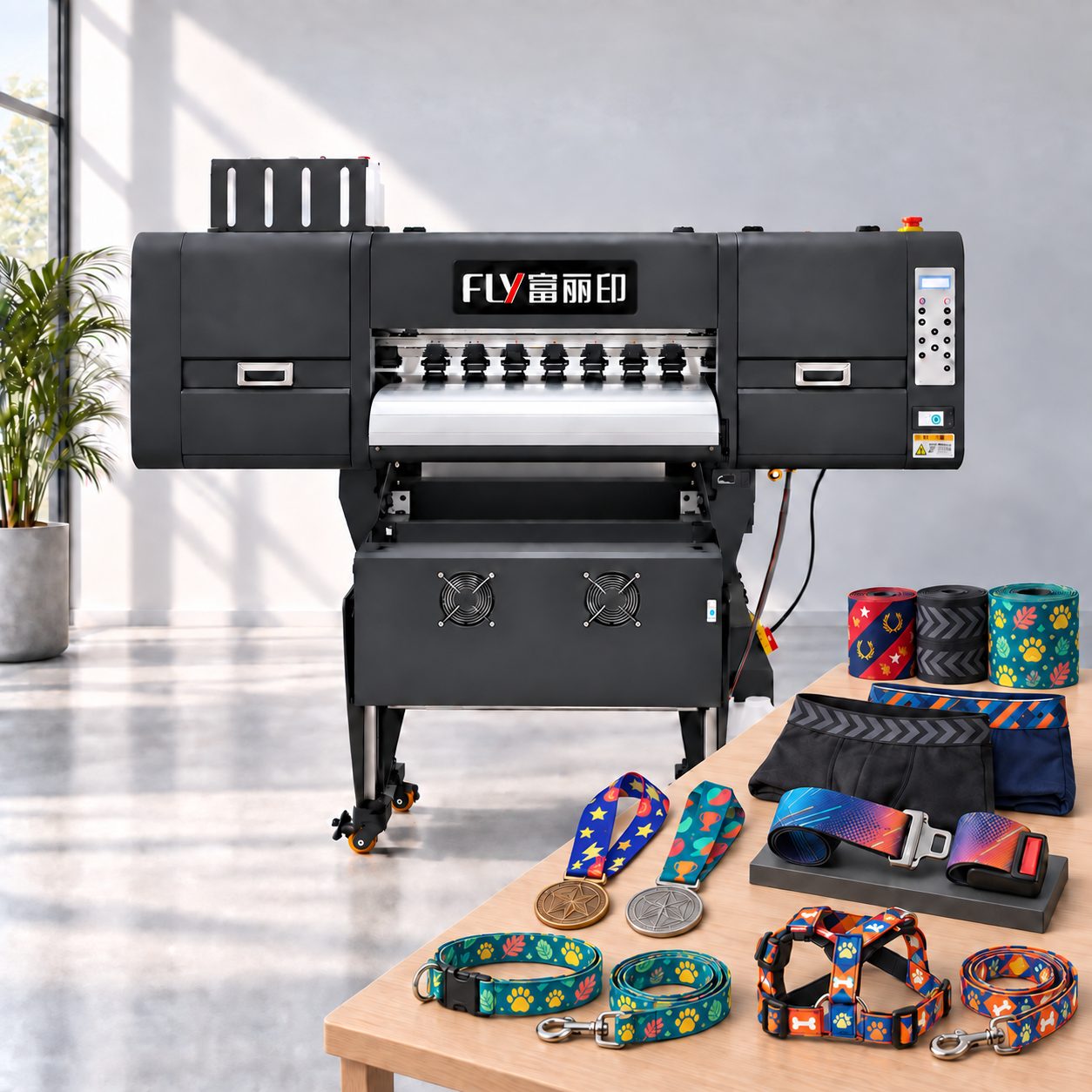
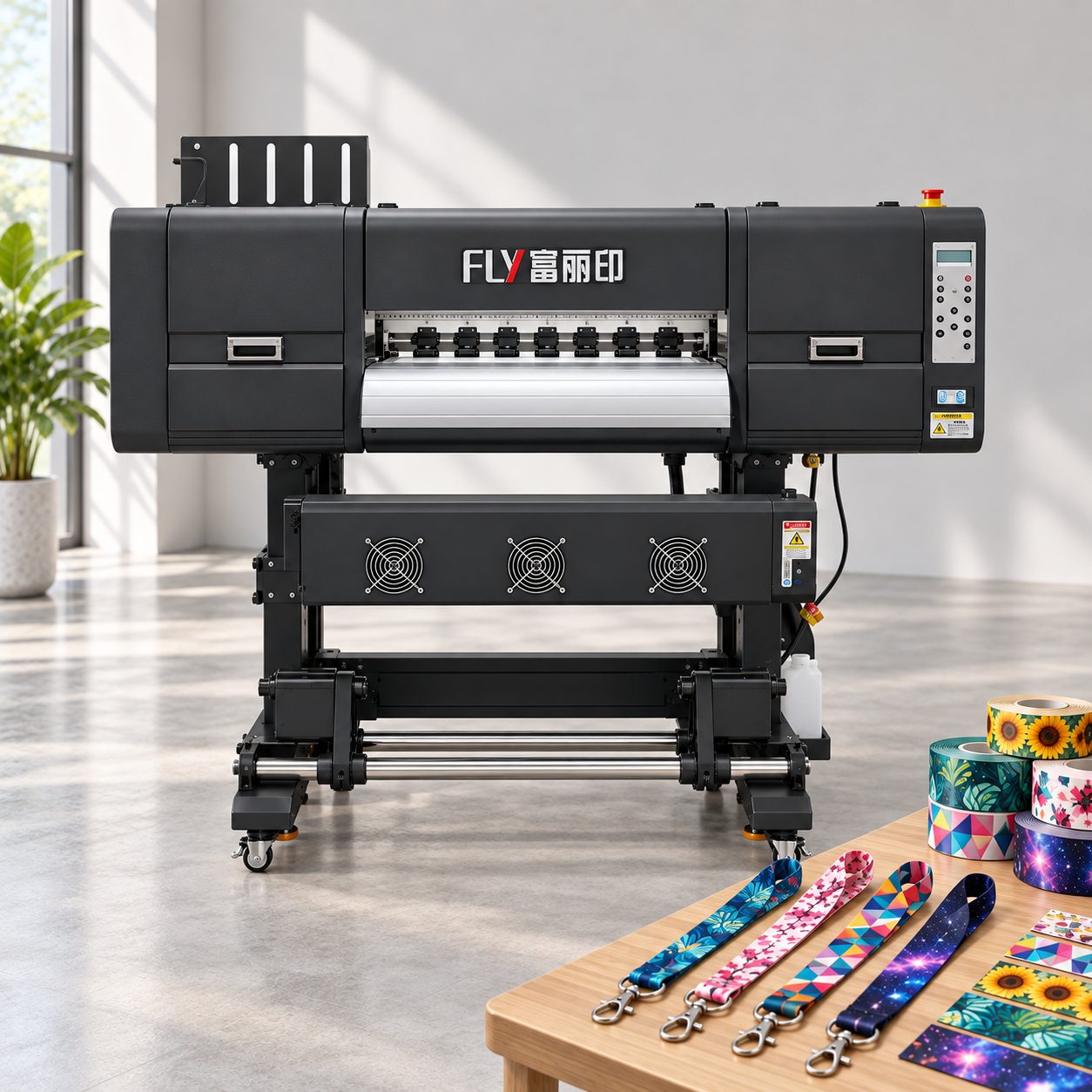
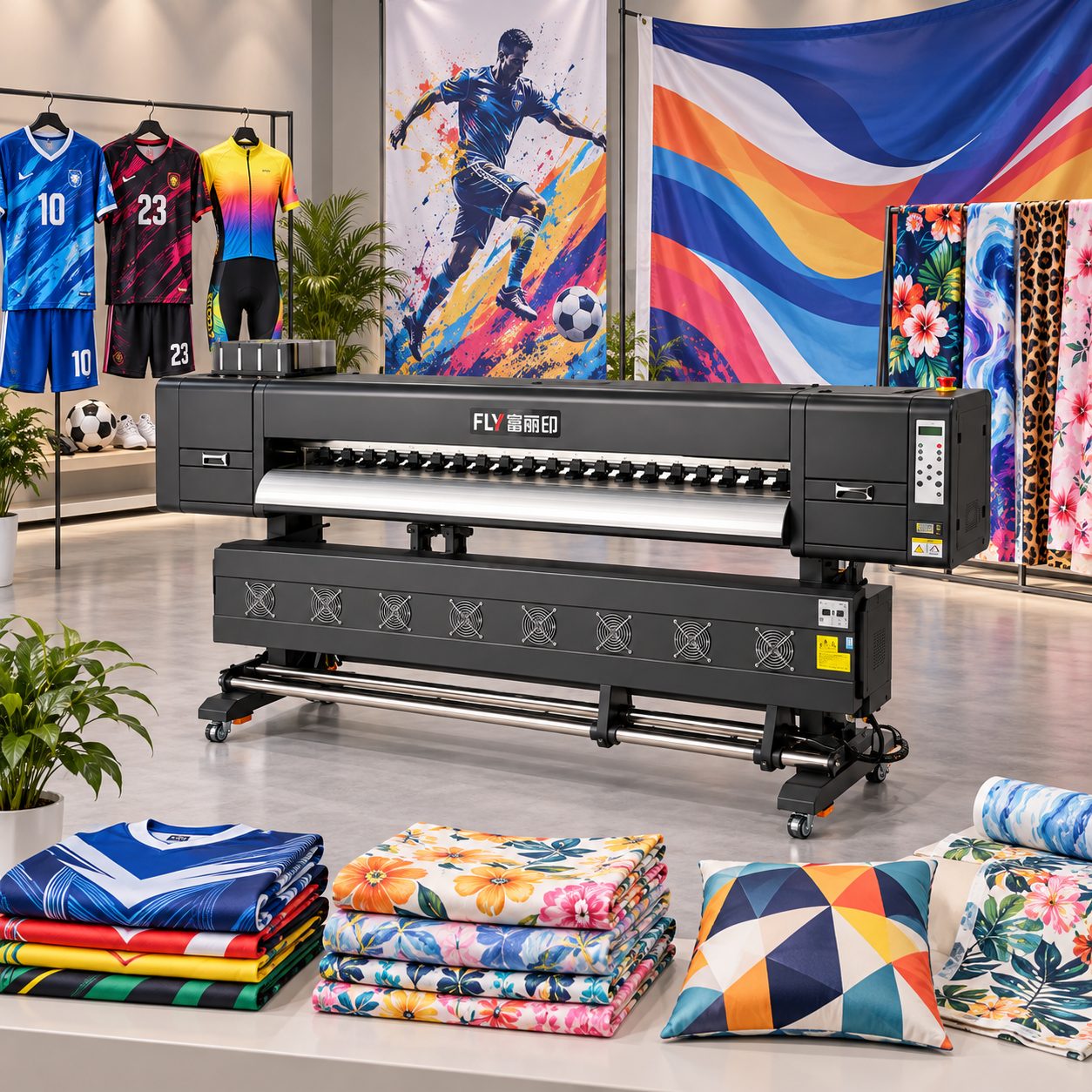
60 cm for ribbons, lanyards and narrow goods; 130–180 cm for sportswear panels and home textiles; 200 cm eight-head machines for high-volume advertising fabric.

Step 3: calculate transferred cost

Cost per transfer = ink + transfer paper + pressing time. For large repeat runs it is usually below DTF; for scattered designs DTF stays more flexible.

Step 4: match ink, paper and press settings

Ink and paper are matched to the print head and media; temperature, dwell time and pressure are confirmed together so colours come out as sampled.

Applications

Typical sublimation applications

Synthetic fabrics and wide-format graphics are where sublimation excels.

Sportswear factories

Cycling kits, jerseys and yoga wear in polyester fabrics, in continuous runs.

Home textiles & soft furnishing

Cushions, curtains and table linen in wide format, with saturated colour and simple finishing.

Ribbons & accessories

Medal ribbons, elastic bands, lanyards and pet leashes in narrow continuous printing.

Advertising fabrics

Backlit and flag fabrics, integrated with downstream finishing.

Further reading

Sublimation technical notes

Process parameters and selection comparisons.

Process Comparison 2026-10-05

Sublimation vs DTF: How to Choose a Printer for Cross-Border Custom Products

From process principles and fabric compatibility to per-unit cost and cross-border delivery - a complete breakdown of the two mainstream digital printing routes.

Read Full Guide
FAQ

Sublimation buying FAQ

The three questions we hear most.

Sublimation or DTF?+

Start with the fabric: polyester and synthetics in large repeat runs favour sublimation for lower cost per piece; cotton, blends and mixed designs favour DTF because no plates are needed. Many customers run both as one production line.

Can sublimation print on cotton?+

Only after a coating step, which adds process and cost. For cotton customisation DTF is the recommended route — no pre-treatment and dark colours work too.

How do I set the transfer temperature and time?+

Settings follow the fabric, ink and transfer paper combination. See our technical note on sublimation transfer temperature, time and pressure, and confirm with a sample.

Match the machine to your fabric and output

Tell us your fabric composition, typical width and daily output — we will propose a machine combination and transfer setup.

Get a free selection plan
Online Inquiry